Copyright for AI illustrations should be considered in three stages: learning, generation, and use.
The question, "Whose property is an AI-generated image?" appears to be a single question, but it actually involves three separate questions: learning, generation, and use. By referring to Article 30-4 of the Copyright Act, we will distinguish between what is written in the law and what is left to individual judgment.
10 Places Where Illustrations Make a Great Impact: How to Use Photos vs. Illustrations, and Who to Commission
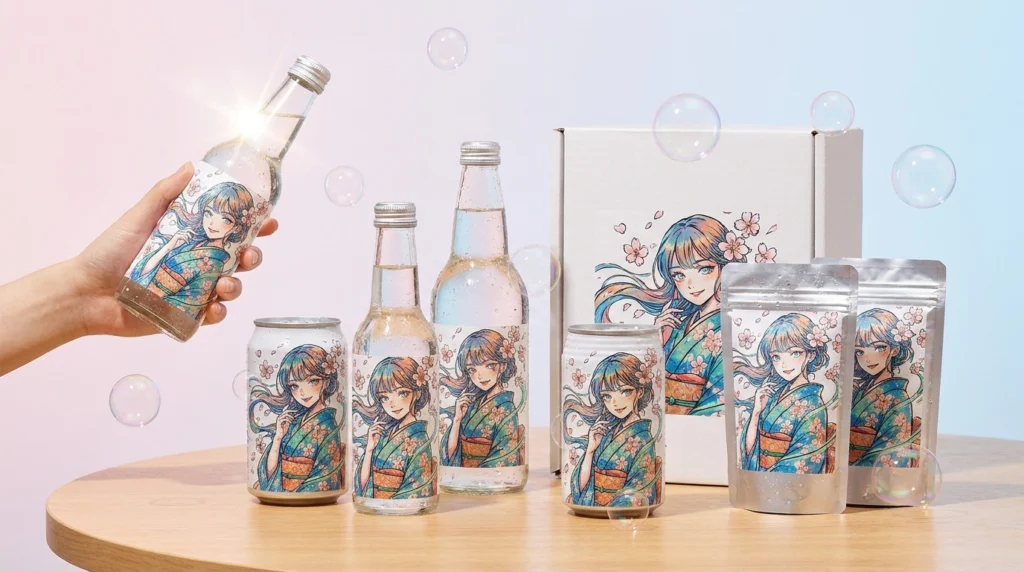
The reason for choosing illustrations over photographs is not based on intuition, but on logic. Diagrams, educational materials, government public relations, packaging, advertising, book illustrations, corporate characters, music videos, merchandise, murals—10 situations where illustrations are effective, organized by communication, sales, and connection.
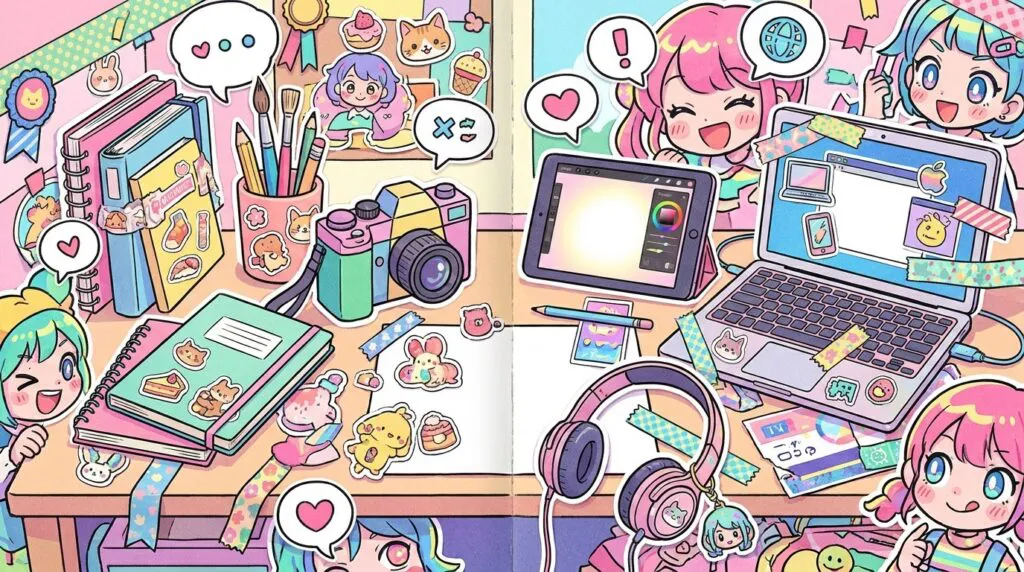
How will the job of an illustrator change in the age of AI? A calm assessment of what is less likely to be replaced.
How will AI change the job of illustrators? From the true nature of "back and forth" work that is difficult to replace, to the conditions that clients should decide from the outset, and the concepts of credit and transparency. This is not a prediction, but a calm analysis of the issues that are currently being discussed.
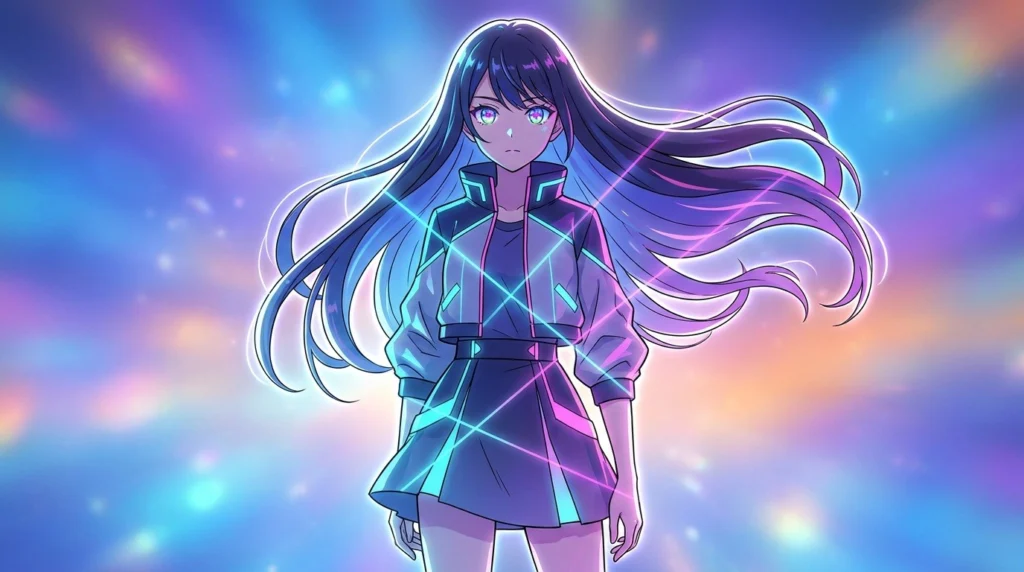
The invention of character portraits: A new design philosophy brought to illustration work by the virtual world.
The new format of standing character illustrations, the layering system based on Live2D, the division of labor between character designers and modelers, and the culture of commemorative illustrations—this book examines, from a structural perspective, what virtual reality has brought to the work of illustration.
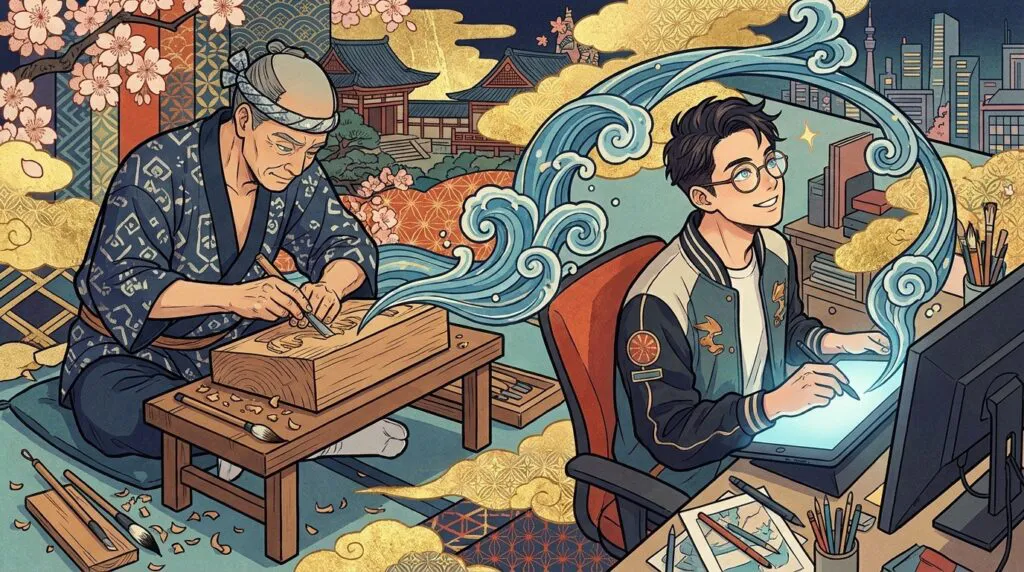
From Ukiyo-e prints to timelines—where does Japanese illustration culture come from, and where is it headed?
From woodblock prints for ukiyo-e to magazine illustrations, street posters, fanzines, personal websites, and even timelines—Japanese art has always arrived in some form or medium. Rather than focusing on individual artists, let's trace the larger cultural currents that have led us to this era where art itself is intellectual property.
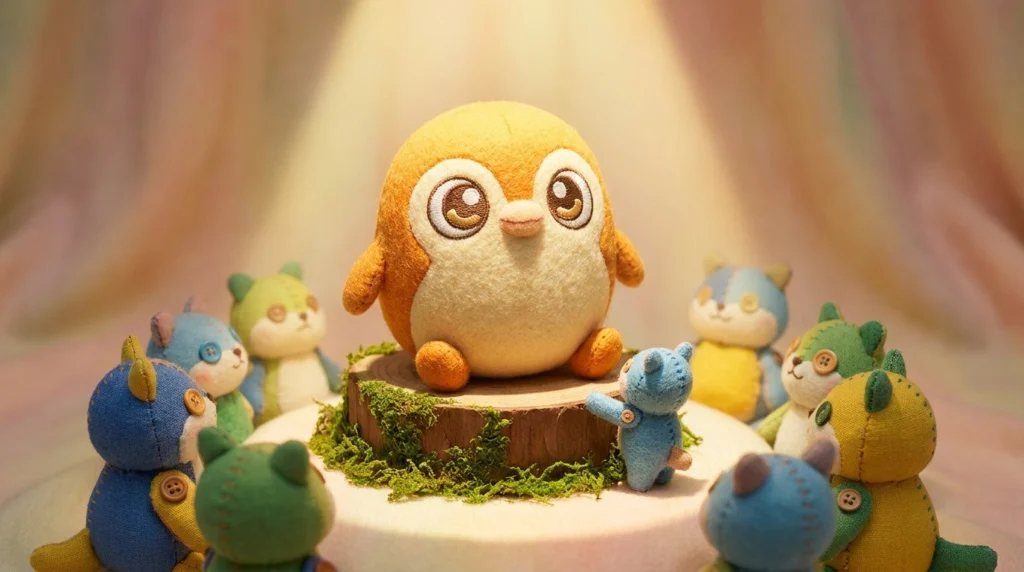
Why are "likable characters" so powerful? — The structure you should know before starting an IP.
Cute characters quickly become tiresome, while simple characters are loved for years. Where does this difference come from? This article explores the concept of "contextual vessels," the psychology of fan activities, the structure in which fans take on the role of publicity, and four steps to starting small.