


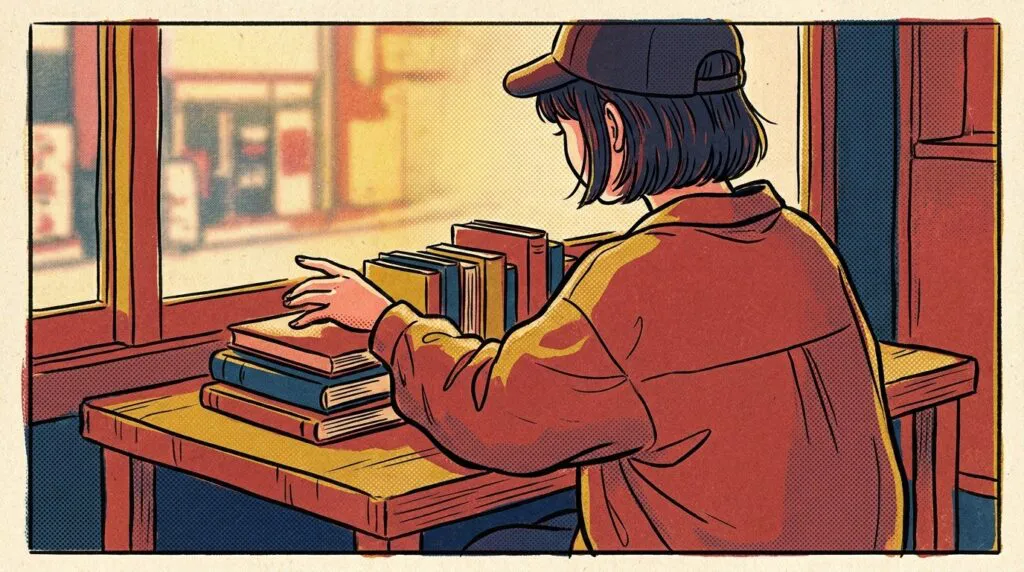

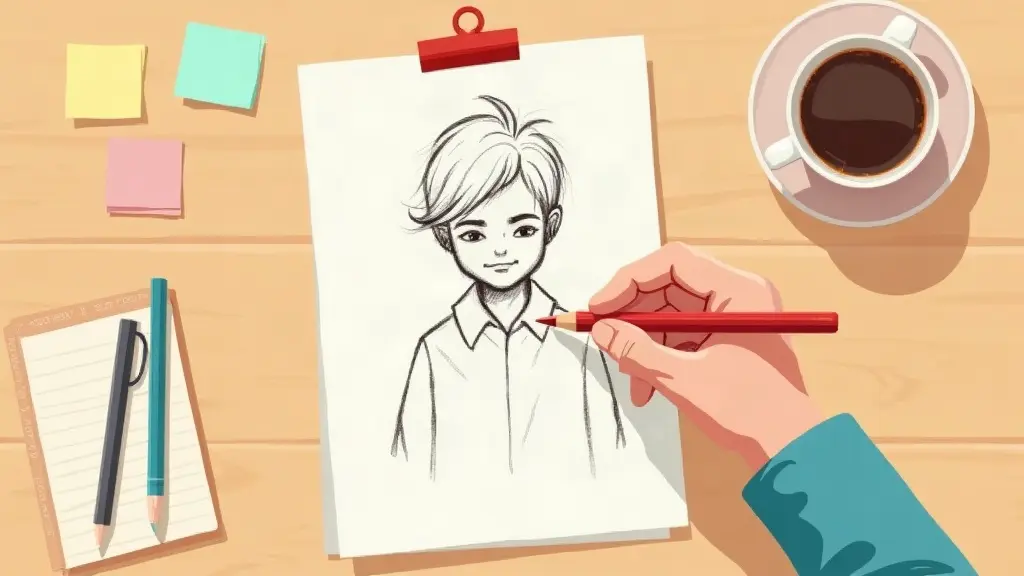
How to interpret illustration roughs—things to check upon arrival and how to return them.
When you commission an illustration, you'll receive a "rough sketch" before the final version is complete. This rough sketch is a preliminary drawing to determine the composition and pose, and it's not the stage for reviewing details or colors. This guide outlines what to check upon receiving the rough sketch, how to apply it to your actual intended use, how to summarize internal confirmations, and how to respond.
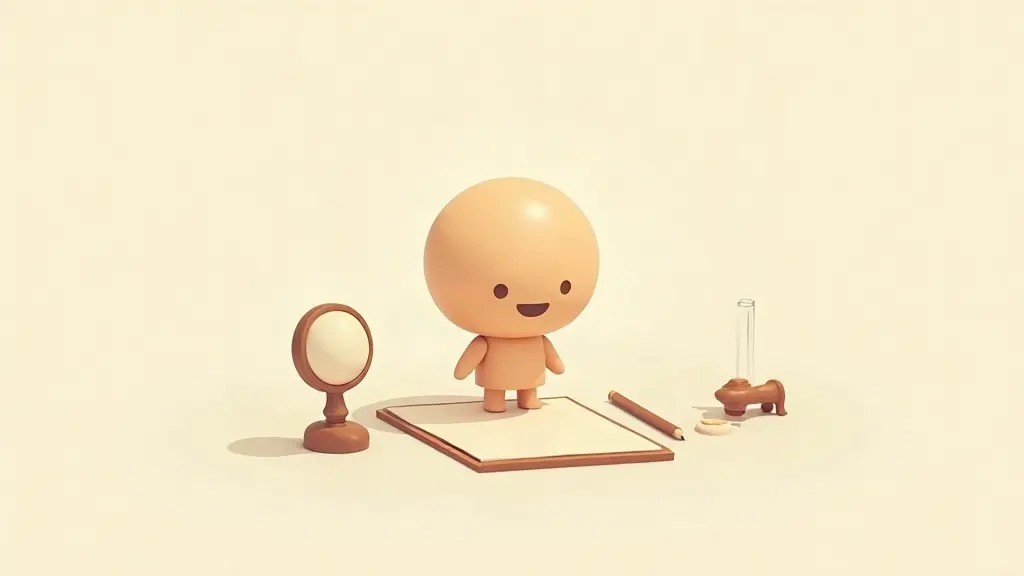
Commissioning SD illustrations—decide on the proportions, features to keep, and intended use beforehand.
SD illustrations (chibi characters/mini characters) are drawings that redraw original characters in a smaller size. When commissioning illustrations for merchandise, stamps, icons, or for streaming, we've organized the things you should decide beforehand, such as the character's proportions, features to keep, intended use, variations, and how to proceed, including checking the rights of copyrighted or affiliated characters.
Commissioning illustrations for a picture book—how to commission illustrations for a book where "pictures convey the story," which is different from illustrations for other books.
Unlike illustrations that accompany text, the illustrations in picture books carry the story themselves. When commissioning an artist to create a commemorative picture book or one for a company or local government, we have organized the things you should decide beforehand, such as the target audience, page layout, division of writing and illustration responsibilities, printing, rights and secondary use confirmation, and the process.
Commissioning a key visual for a VTuber—things to decide beforehand for debut, new outfit, and anniversary announcements.
Key visuals for VTuber debuts, new costume reveals, and anniversary streams are commissioned as "a single image that will be used in various ways," separate from the character illustrations. Before drawing, we need to decide on the intended use, text elements, and release date, as well as confirm the character rights and organize the process.
Commissioning illustrations for a flower stand—decide on venue rules, panel specifications, and rights beforehand.
If you want to include an illustrated panel with a flower stand (Furasta) for a live performance or event, it's best to confirm the venue's and organizer's rules, the division of labor with the florist, the panel's specifications, and the rights to the subject matter before contacting the artist. Here's a summary of the steps to take when making a request.
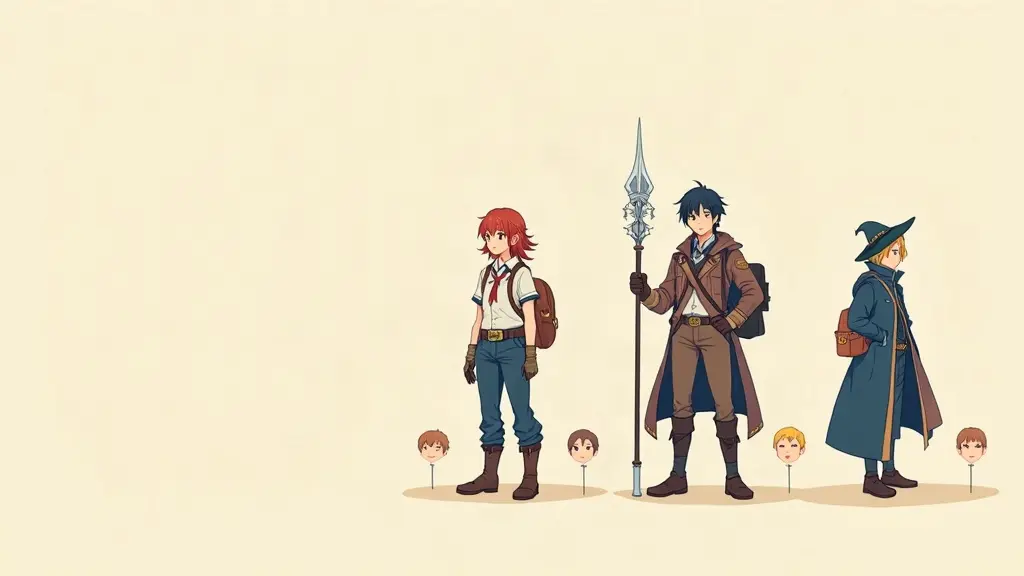
What are character portraits? — How specifications vary between TRPGs, visual novels, and social games, and key points to consider when making a request.
A character portrait is an image depicting a character standing, displayed separately from the background in dialogue or game screens. This guide outlines the specifications, which vary depending on the application (e.g., TRPGs, visual novels, social games), and outlines important points to consider when commissioning character portraits.
Outsourcing manga production—the process and cost-increasing conditions for advertising and business manga.
When outsourcing comics for advertising, service introductions, recruitment, or internal company presentations, it's helpful to narrow down the main message to be conveyed and decide who will create the scenario and storyboards before the artwork begins. We've outlined the division of labor, how to review storyboards, and the conditions that affect costs.

Commissioning LINE sticker creation—things to decide beforehand, as they differ between personal and corporate use.
When commissioning an artist to create original LINE stickers, it's helpful to decide beforehand who will be the seller, what situations the stickers will be used in, and how the character rights will be handled, before even considering the artwork. We've outlined the differences between personal and corporate use, as well as the production process.
What are illustrations? — Differences between illustrations, cover art, and frontispieces, and how to proceed when commissioning illustrations for a book.
Illustrations are pictures placed within the text of novels, magazines, textbooks, and other similar works. This article outlines the differences between illustrations and cover art or color illustrations at the beginning of a book, the role of illustrations, and the number of illustrations, specifications, scenes to decide, and scope of use to consider when commissioning illustrations.
What is a key visual? — The difference from a main visual, and what to decide before creating it.
A key visual is the central image used across posters, websites, social media, and merchandise as the face of a work or campaign. This article outlines the differences between a key visual and a main visual, the criteria for a good key visual, and the distribution channels and rights that should be decided before creation.
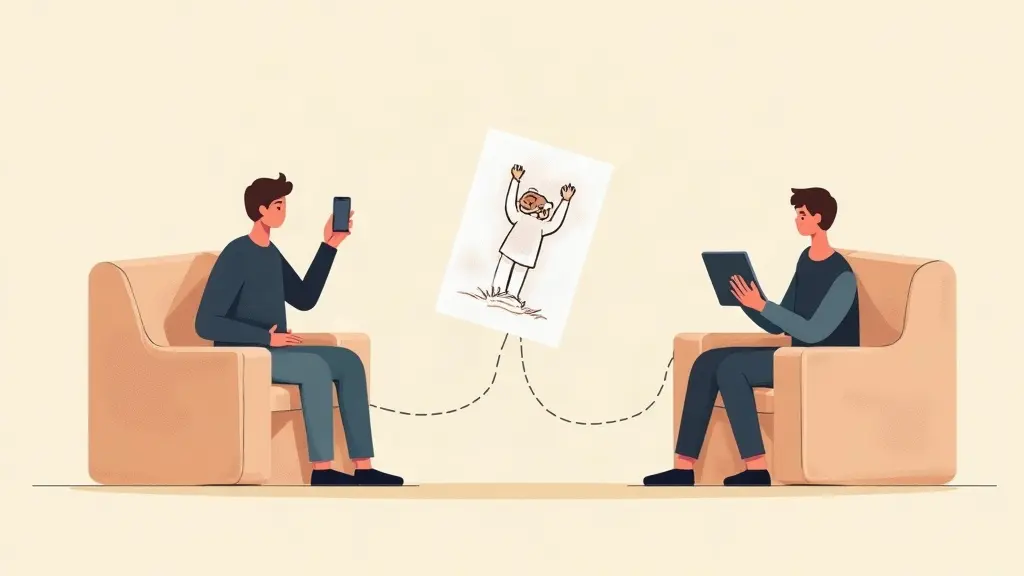
Commissioning Illustrations for a Fee: The Process and Etiquette for a Smooth Process When Asking an Artist Individually
When commissioning an artist to create artwork of your favorite character, your own character, or a social media icon, it's essential to first read the commission details and confirm the intended use and payment procedures to avoid misunderstandings. This guide outlines the commission process, payment, usage, and etiquette while waiting.
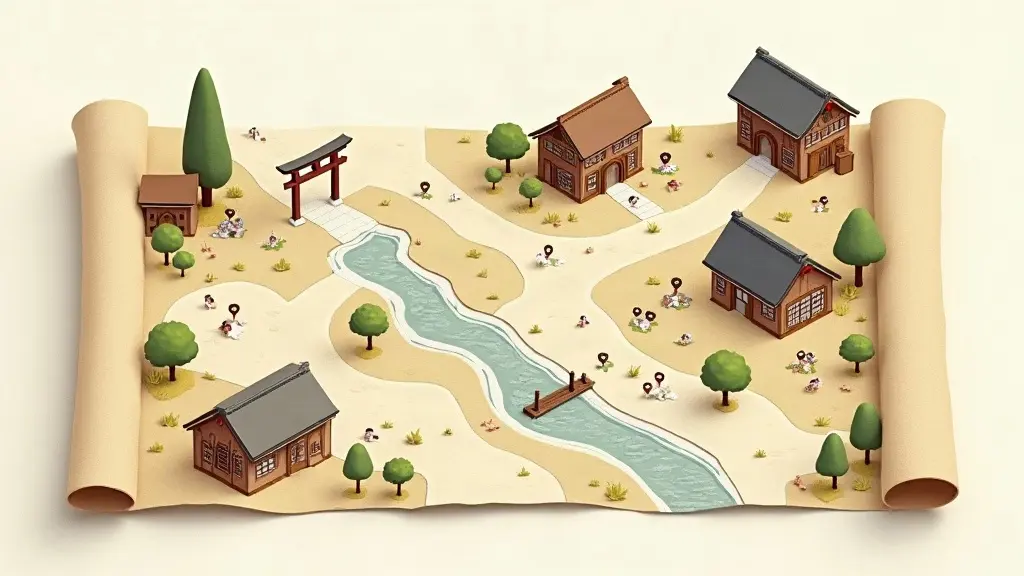
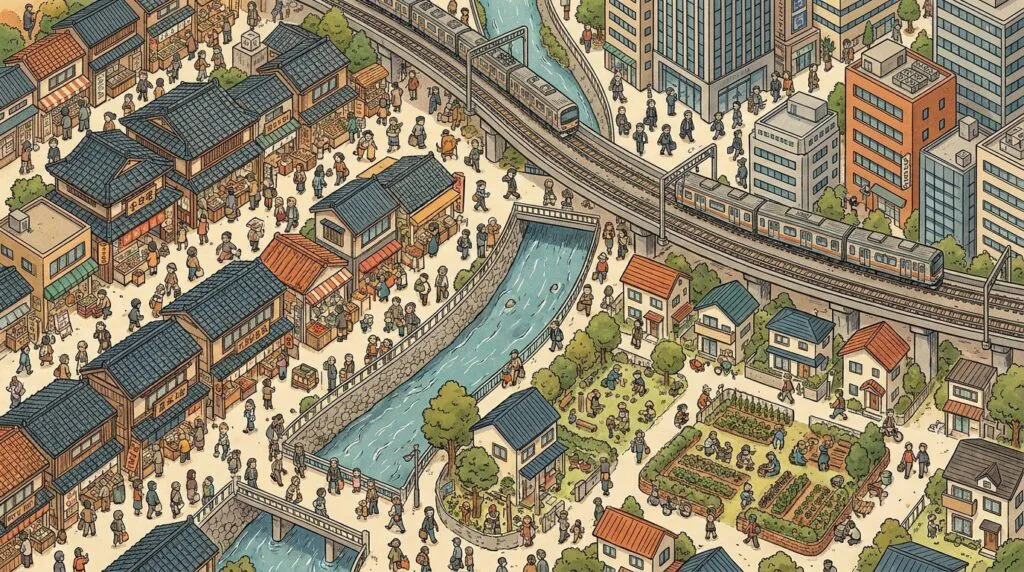
Commissioning the creation of an illustrated map—decide in advance the information to be included, the style of stylization, and the rights involved.
When outsourcing illustrated maps for tourist brochures, shopping streets, campuses, or event venues, it's best to decide who the map is for, what information to include and omit, and the rights to the original map before considering the artwork. We've also organized the reasons why costs vary depending on the conditions and how to proceed.