






The Making of Illustrated Music Videos and Lyric Videos: The Entire Process and How to Read the Credits
From storyboarding, layering, rigging, lyric motion, and compositing, this guide traces every step of the process in creating an illustrated music video or lyric video, even explaining how to interpret the end credits as a purchase order.
Why do images convey meaning when they move? – An introduction to motion graphics: learning about easing and timing.
"Can this image be animated?" — Why does movement in a still image convey meaning? From the difference between motion graphics and animation, to the true nature of easing, designing 6-second/15-second/30-second timeframes, and the difference between vertical and horizontal orientations. An introduction to motion graphics that clients should know.
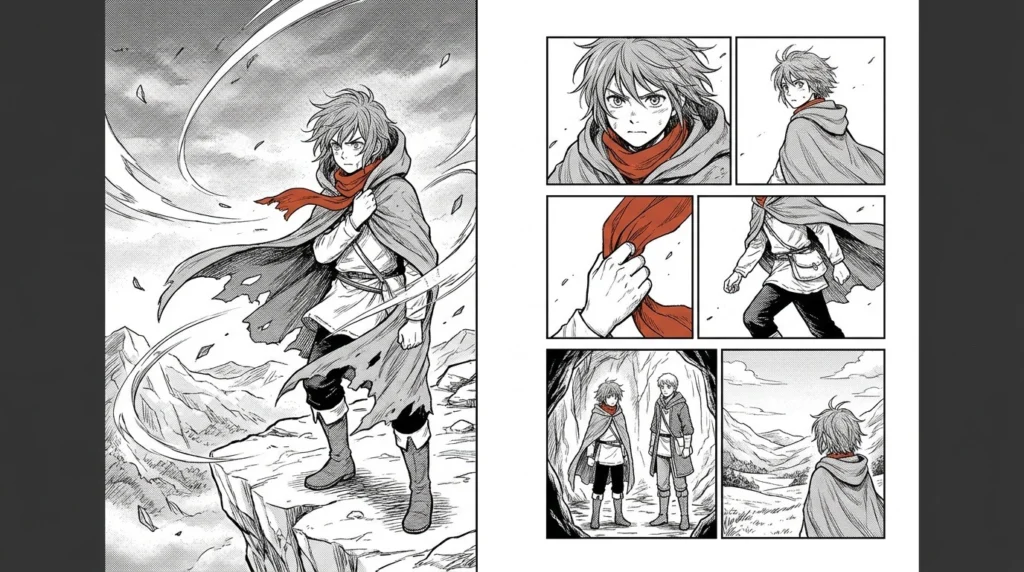
What's the difference between manga and illustrations? A single image tells a story, while an image tells a story over time—the boundary you need to know before commissioning.
Even though they're both "pictures," manga and illustrations are almost entirely different disciplines. Whether you tell a story with a single panel or over time, the editing techniques of panel layout, and the required level of character consistency—these are all crucial differences that both clients and artists should be aware of, and this article breaks them down from a practical perspective.
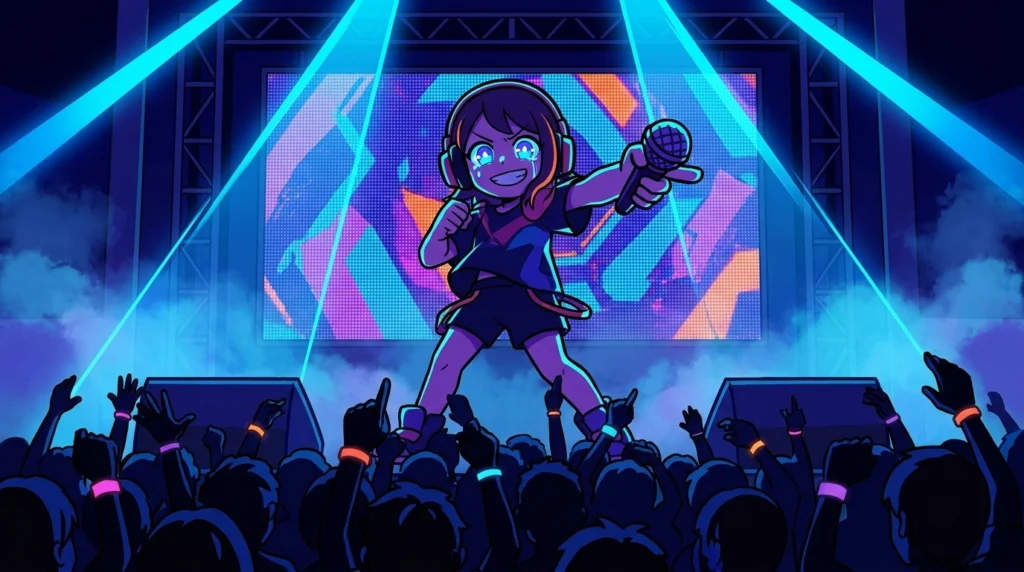
Behind the scenes of live performance CG: From setlist finalization to the one-take show, several months
From the final setlist to the actual performance, several months pass. This documentary follows the behind-the-scenes production flow of live CG production, including the division of labor for each song, the differences between background visuals and lyric motion, constraints on stage positioning and lighting, the quirks of the venue's LEDs, and the final refinements during rehearsals.
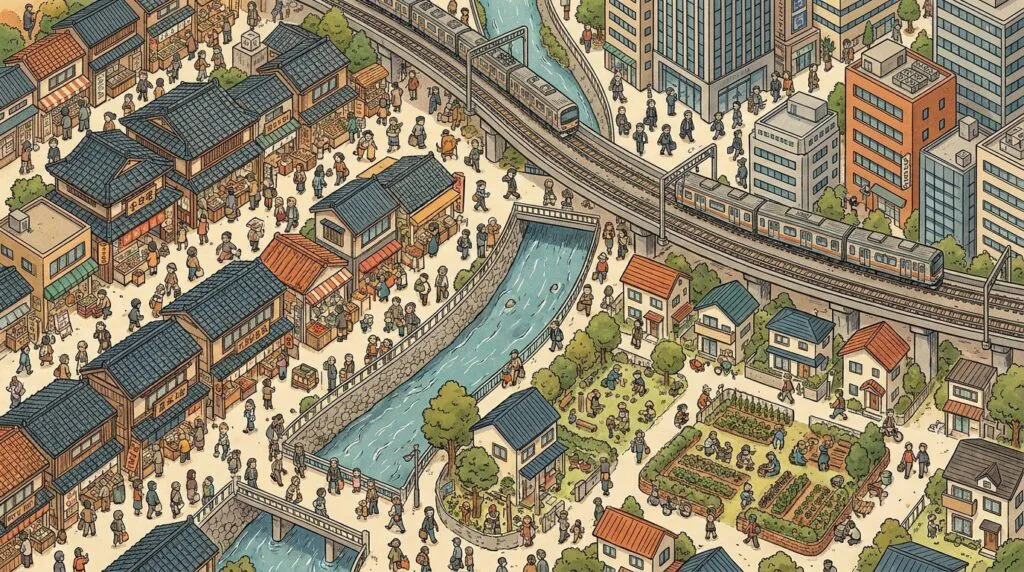
10 Places Where Illustrations Make a Great Impact: How to Use Photos vs. Illustrations, and Who to Commission
The reason for choosing illustrations over photographs is not based on intuition, but on logic. Diagrams, educational materials, government public relations, packaging, advertising, book illustrations, corporate characters, music videos, merchandise, murals—10 situations where illustrations are effective, organized by communication, sales, and connection.
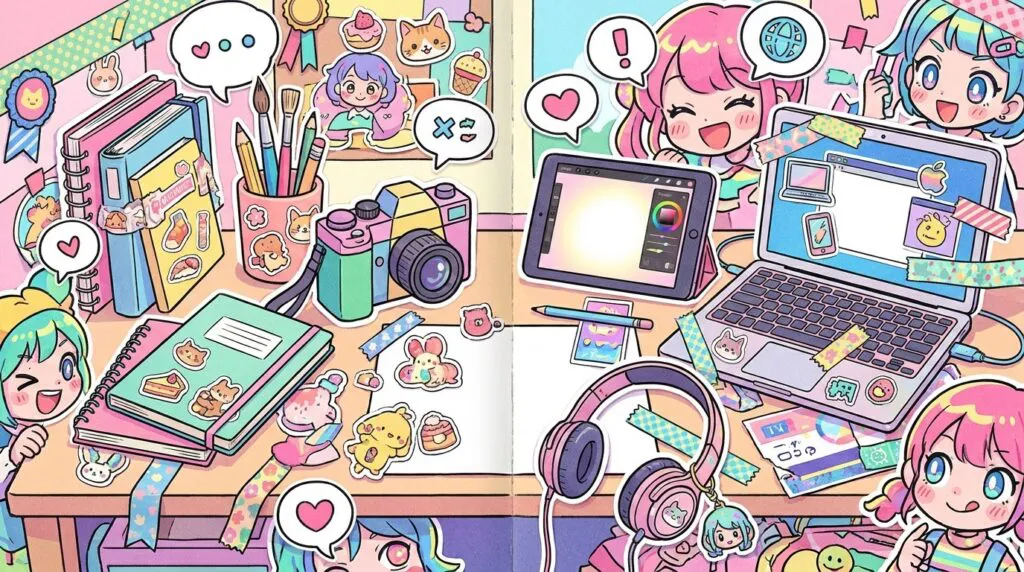
How will the job of an illustrator change in the age of AI? A calm assessment of what is less likely to be replaced.
How will AI change the job of illustrators? From the true nature of "back and forth" work that is difficult to replace, to the conditions that clients should decide from the outset, and the concepts of credit and transparency. This is not a prediction, but a calm analysis of the issues that are currently being discussed.
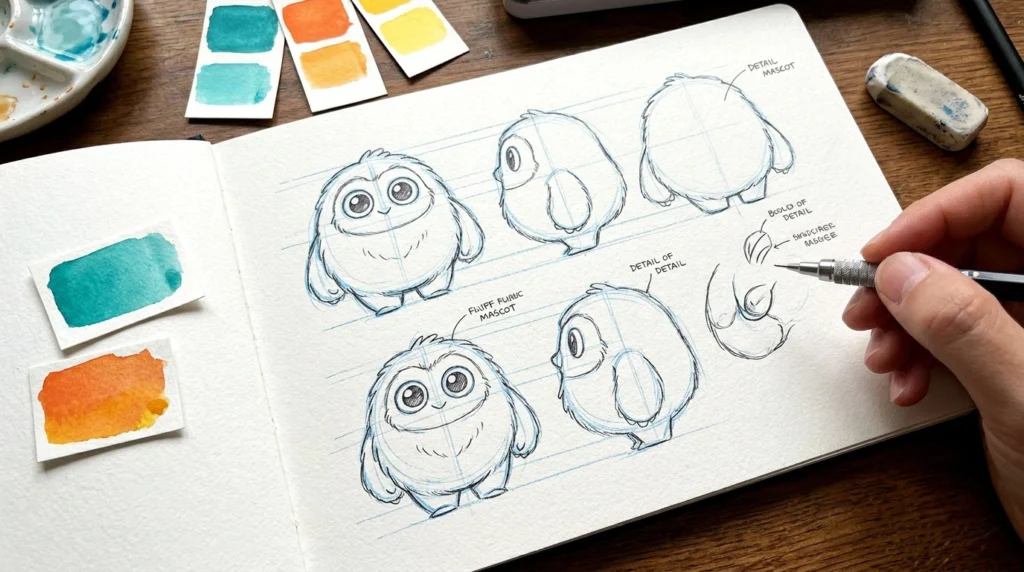
Designing Corporate Characters to Last: 7 Steps to Creating Character Designs
If you start with a cute design, no one will use it after six months. When creating a corporate character, we decided on the role, silhouette, number of colors, facial expressions, and tone of voice before even drawing the illustration, and organized everything from the supervision regulations to the mass production design in the order it would appear on the ground.

Color evokes emotions. 7 perspectives to transform illustration color schemes into "communicative designs."
Color arrives before lines. Hue as temperature, saturation as volume, color dialects that exist in each industry, how to use a single accent color effectively, and the option of monochrome. This is a practical guide to restructuring the often intuitive color schemes of illustrations into usable criteria for professional work.
A 0.5-second battle on the shelf. A single label determines the character of the product; it's the blueprint for the package illustration.
To ensure a product is chosen in 0.5 seconds on a shelf, what should be discarded and what should be retained in the packaging illustration? From printing constraints and coexistence with legal labeling to designing a series, this book traces the process of creating a single image that defines the product's character, step by step.
The illustration chosen in 0.5 seconds—why are light novel cover illustrations entrusted to the character designer first?
Less than a second passes before a book is selected on the shelf. How is the cover art designed for that fleeting moment? From character design to frontispieces, illustrations, and promotional materials, this book unravels the structure of the work that represents a series, including what goes beyond the book itself.

The invention of character portraits: A new design philosophy brought to illustration work by the virtual world.
The new format of standing character illustrations, the layering system based on Live2D, the division of labor between character designers and modelers, and the culture of commemorative illustrations—this book examines, from a structural perspective, what virtual reality has brought to the work of illustration.
The Complete Guide to Commissioning Illustrations: From Defining Your Purpose to Scope of Use, Number of Revisions, and Budget
Why does "it's not what I expected" happen? A practical guide to commissioning illustrations for work. We've covered everything from articulating your purpose, intended use and size, how to provide references, the difference between copyright and usage permission, the number of revisions, budget considerations, and the differences between going through management and direct requests.