






Example and template texts for illustration requests: 8 items to include in your first message.
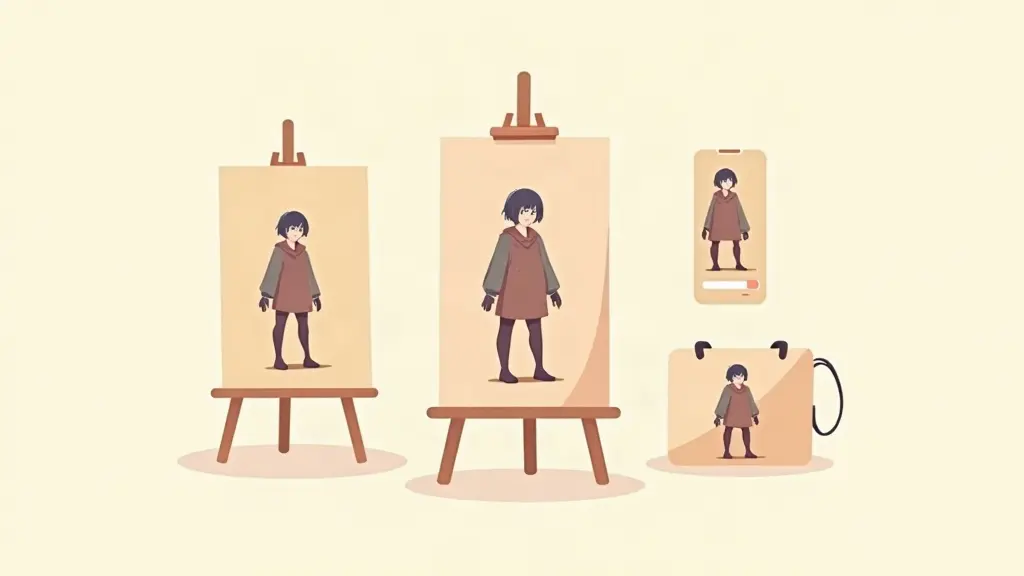
What should you write in the first letter when requesting an illustration? We've compiled ready-to-use examples and an 8-point template that ensures your message is conveyed effectively. We cover everything in a practical order, from how to write a letter that is less likely to be rejected, to how to rephrase ambiguous terms, how to request revisions, and 5 points to review before sending.
Why can't the going rate for illustration commissions be expressed in a single table? — Six factors that determine the estimate.
Why is it that when you look up the going rate for commissioning illustrations, all you get is "it depends on the conditions"? This guide will organize the six conditions that influence the estimate—purpose, scope of use, duration, and exclusivity—so you can understand the breakdown of the cost yourself. We've also summarized items that are likely to result in additional costs.
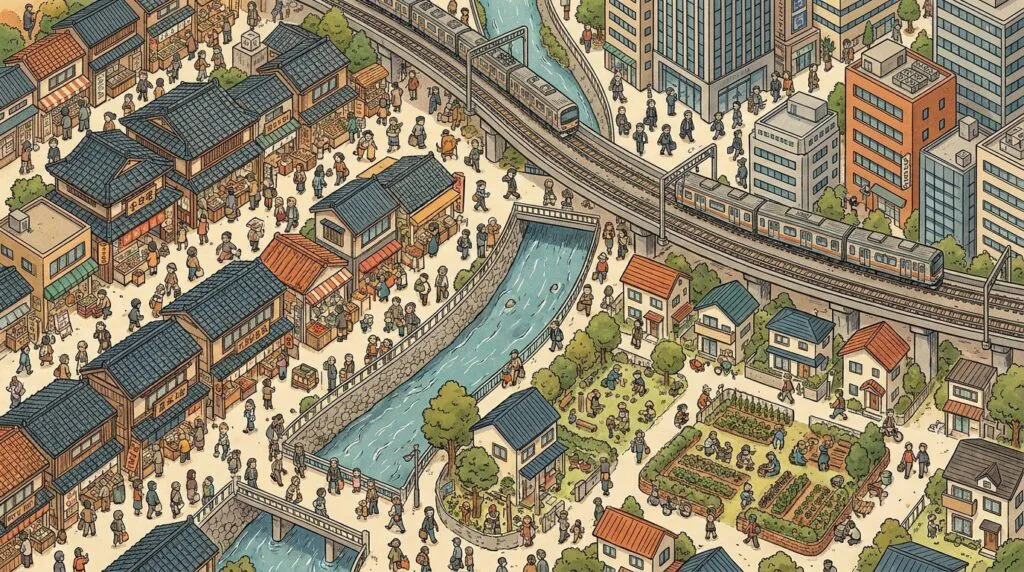
The Making of Illustrated Music Videos and Lyric Videos: The Entire Process and How to Read the Credits
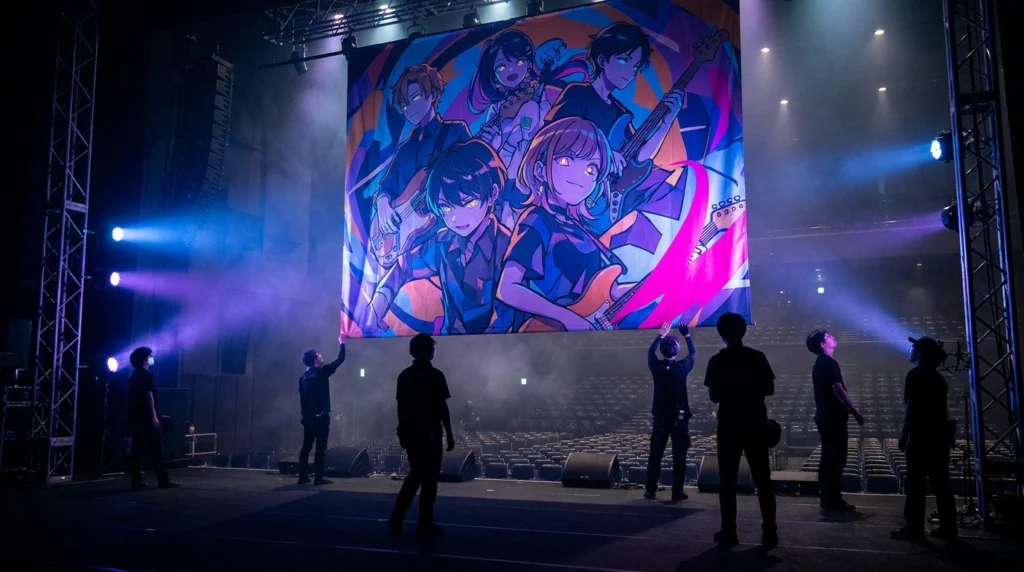
From storyboarding, layering, rigging, lyric motion, and compositing, this guide traces every step of the process in creating an illustrated music video or lyric video, even explaining how to interpret the end credits as a purchase order.
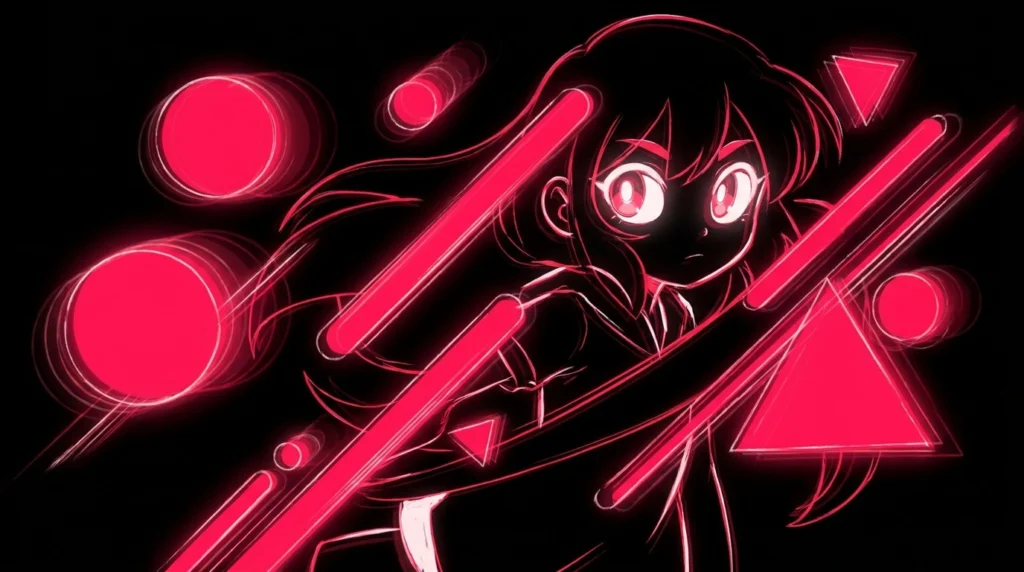
Why do images convey meaning when they move? – An introduction to motion graphics: learning about easing and timing.
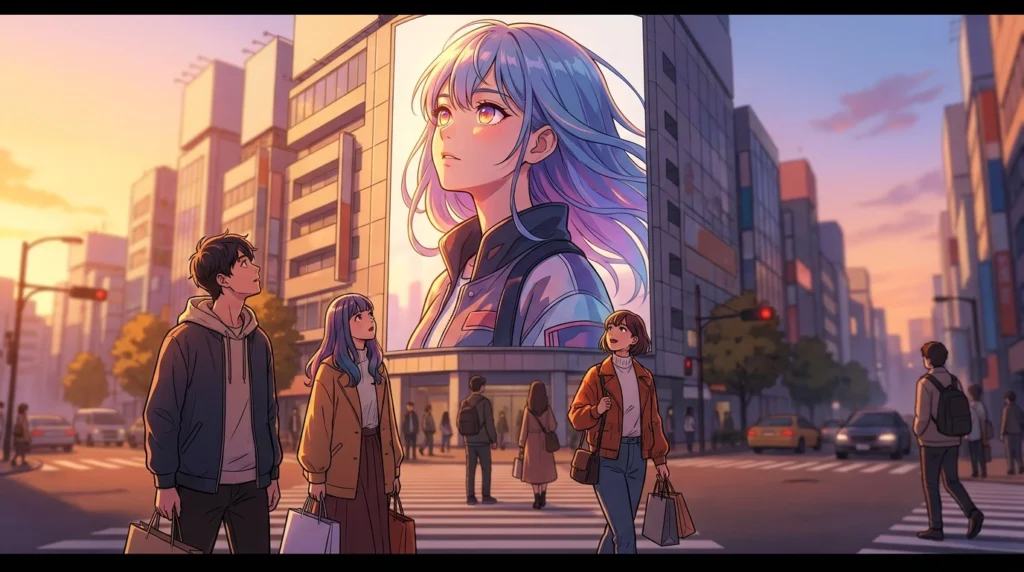
"Can this image be animated?" — Why does movement in a still image convey meaning? From the difference between motion graphics and animation, to the true nature of easing, designing 6-second/15-second/30-second timeframes, and the difference between vertical and horizontal orientations. An introduction to motion graphics that clients should know.
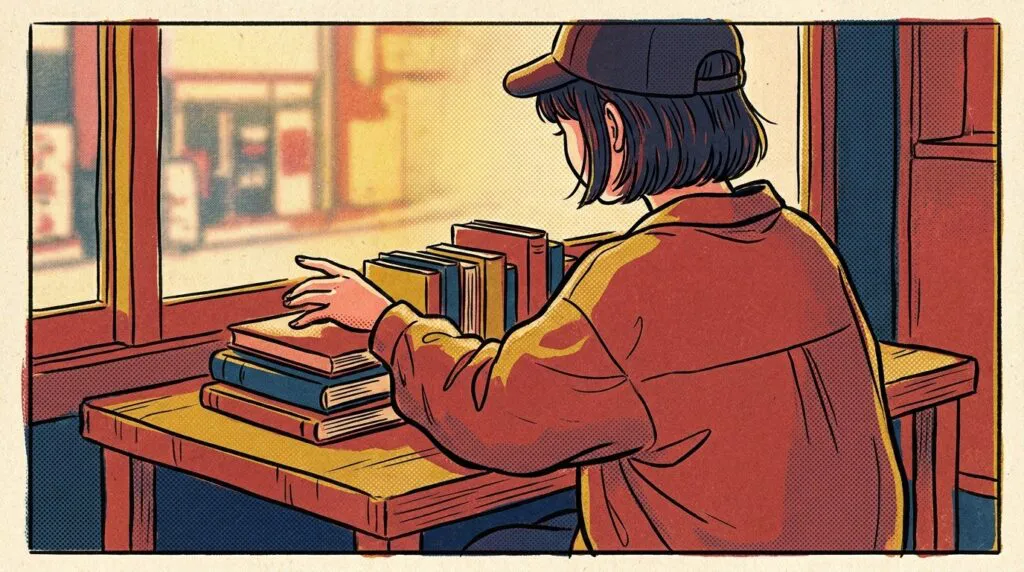
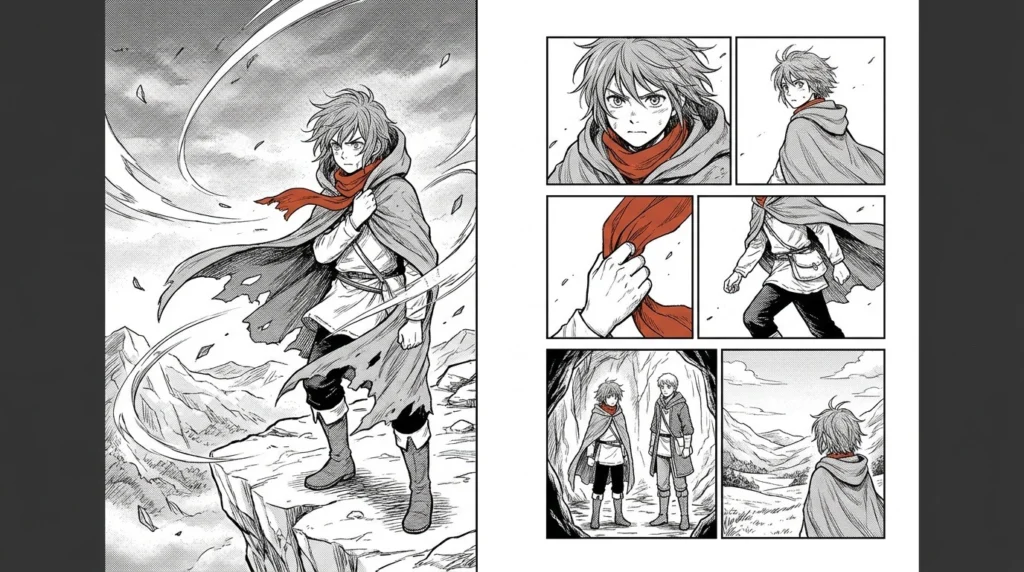
What's the difference between manga and illustrations? A single image tells a story, while an image tells a story over time—the boundary you need to know before commissioning.
Even though they're both "pictures," manga and illustrations are almost entirely different disciplines. Whether you tell a story with a single panel or over time, the editing techniques of panel layout, and the required level of character consistency—these are all crucial differences that both clients and artists should be aware of, and this article breaks them down from a practical perspective.
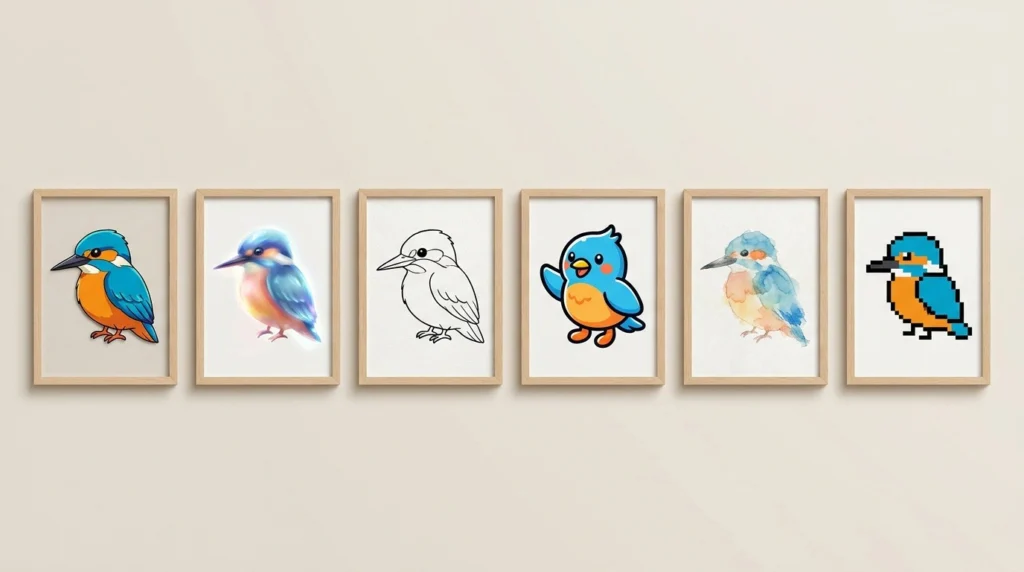
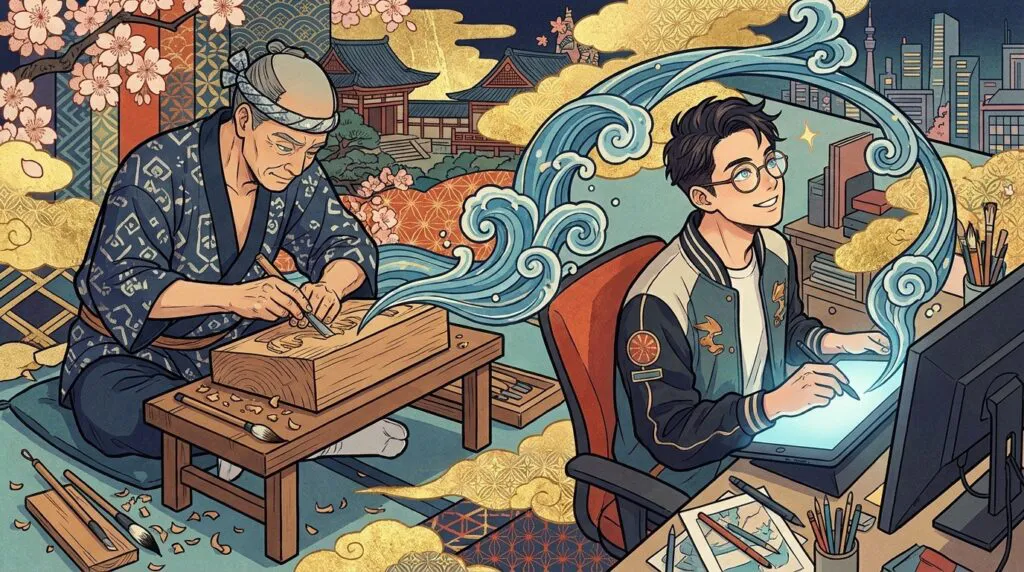
A Dictionary of Art Styles: From Line Drawings to Impasto, Printmaking, and Pixel Art, a Vocabulary of Illustrations Chosen by Purpose
The reason why "cute style" doesn't come across might be due to a lack of vocabulary. This is an illustrated guide that lists major art styles, from line art, flat painting, watercolor, impasto, printmaking, paper cutting, pixel art, and 3D style, along with the "suitable uses" for each style.