




Commissioning illustrations for a flower stand—decide on venue rules, panel specifications, and rights beforehand.
If you want to include an illustrated panel with a flower stand (Furasta) for a live performance or event, it's best to confirm the venue's and organizer's rules, the division of labor with the florist, the panel's specifications, and the rights to the subject matter before contacting the artist. Here's a summary of the steps to take when making a request.
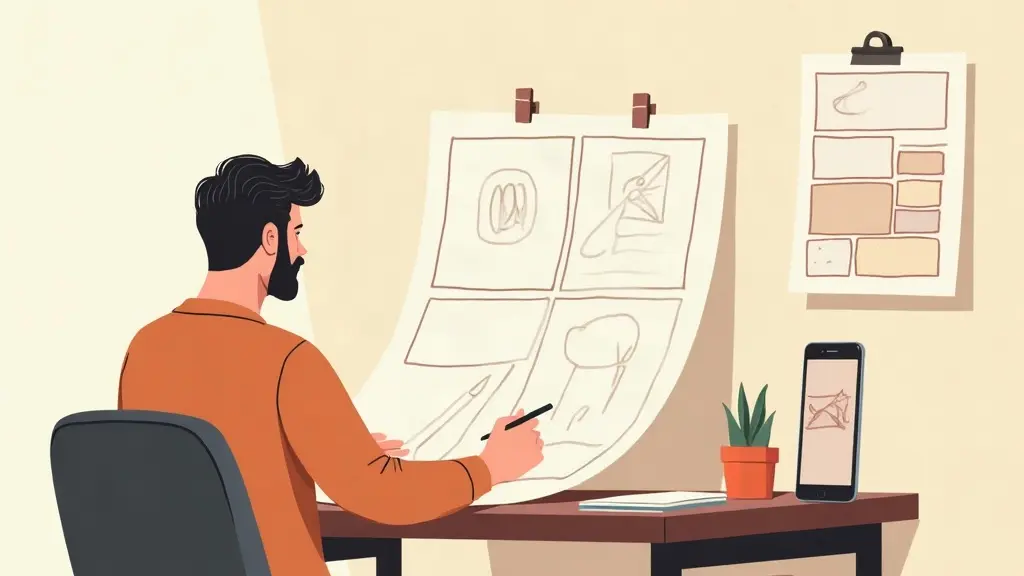
Outsourcing manga production—the process and cost-increasing conditions for advertising and business manga.
When outsourcing comics for advertising, service introductions, recruitment, or internal company presentations, it's helpful to narrow down the main message to be conveyed and decide who will create the scenario and storyboards before the artwork begins. We've outlined the division of labor, how to review storyboards, and the conditions that affect costs.

Commissioning LINE sticker creation—things to decide beforehand, as they differ between personal and corporate use.
When commissioning an artist to create original LINE stickers, it's helpful to decide beforehand who will be the seller, what situations the stickers will be used in, and how the character rights will be handled, before even considering the artwork. We've outlined the differences between personal and corporate use, as well as the production process.
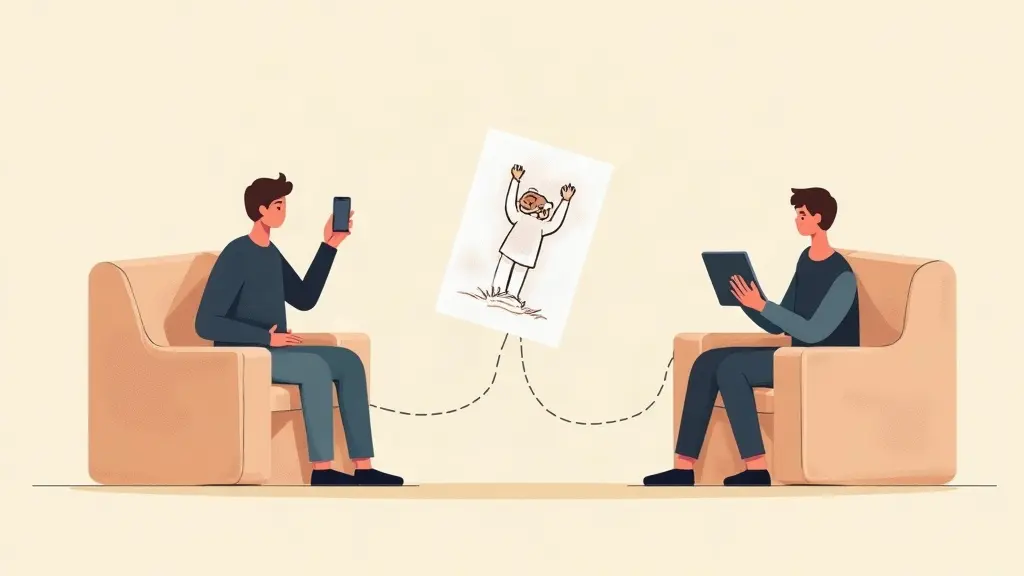
Commissioning Illustrations for a Fee: The Process and Etiquette for a Smooth Process When Asking an Artist Individually
When commissioning an artist to create artwork of your favorite character, your own character, or a social media icon, it's essential to first read the commission details and confirm the intended use and payment procedures to avoid misunderstandings. This guide outlines the commission process, payment, usage, and etiquette while waiting.
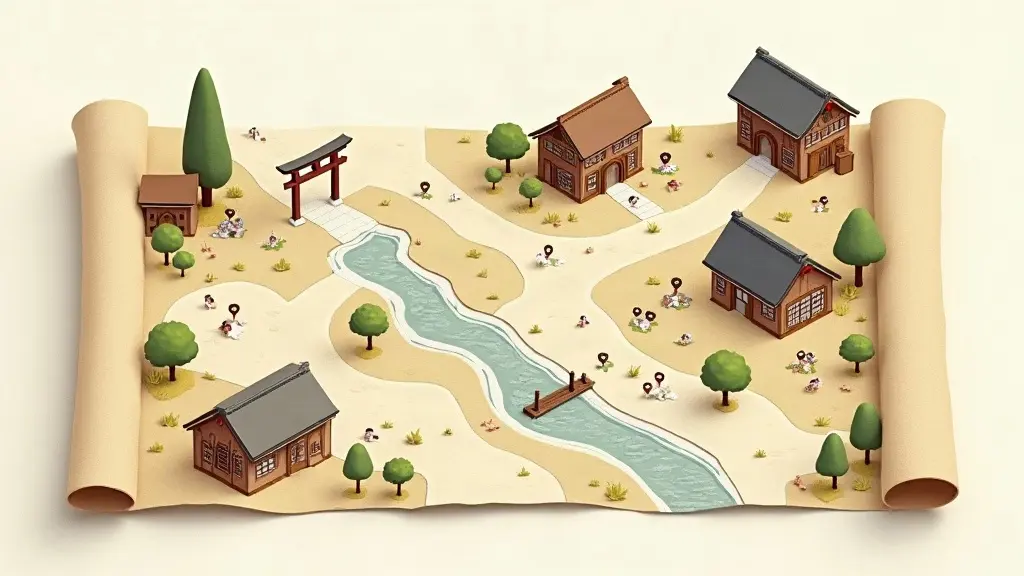
Commissioning the creation of an illustrated map—decide in advance the information to be included, the style of stylization, and the rights involved.
When outsourcing illustrated maps for tourist brochures, shopping streets, campuses, or event venues, it's best to decide who the map is for, what information to include and omit, and the rights to the original map before considering the artwork. We've also organized the reasons why costs vary depending on the conditions and how to proceed.

Commissioning illustrations for merchandise—decide on the submission data, colors, and rights beforehand.
When commissioning illustrations for merchandise such as acrylic stands, badges, and T-shirts, it's best to decide on the type of merchandise, the format of the print data, the desired color reproduction, and whether or not the items will be sold before discussing the artwork itself. This guide outlines the practical steps involved for the client.

Commissioning illustrations for social media icons—things to decide beforehand that differ between individuals and corporations.
When commissioning an illustrator to create a social media icon, the things you need to decide will differ depending on whether it will be for personal use or for a corporate/business account. We've organized the information in a practical order, from designing it assuming it will be cropped into a circle, to the required size and data format, and the agreement on the scope of use.
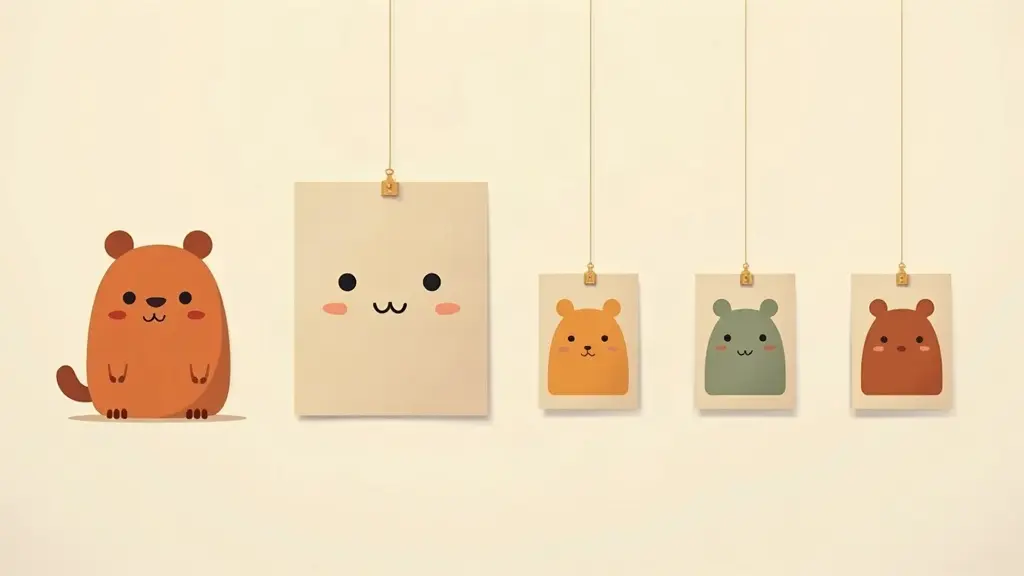
Outsourcing character creation—deciding whether to create it in-house or outsource it, and what to do after placing an order.
I've organized four key points to help you decide whether or not to outsource character creation, based on the system rather than your personal preference for the artwork. This includes the pros and cons of three different types of outsourcing partners, the processes involved after placing an order, the deliverables you should receive, and how to determine character-specific rights, all from the client's perspective.
Where can I commission illustrations? – Four options and how to determine which is right for you.
There are four main ways to commission illustrations: crowdsourcing, direct contact via social media, agencies, and production companies. I've organized them based on four key factors—how pricing is determined, who manages the project, how rights are handled, and who can back you up in case of problems—to help you determine which method is best suited to your project.
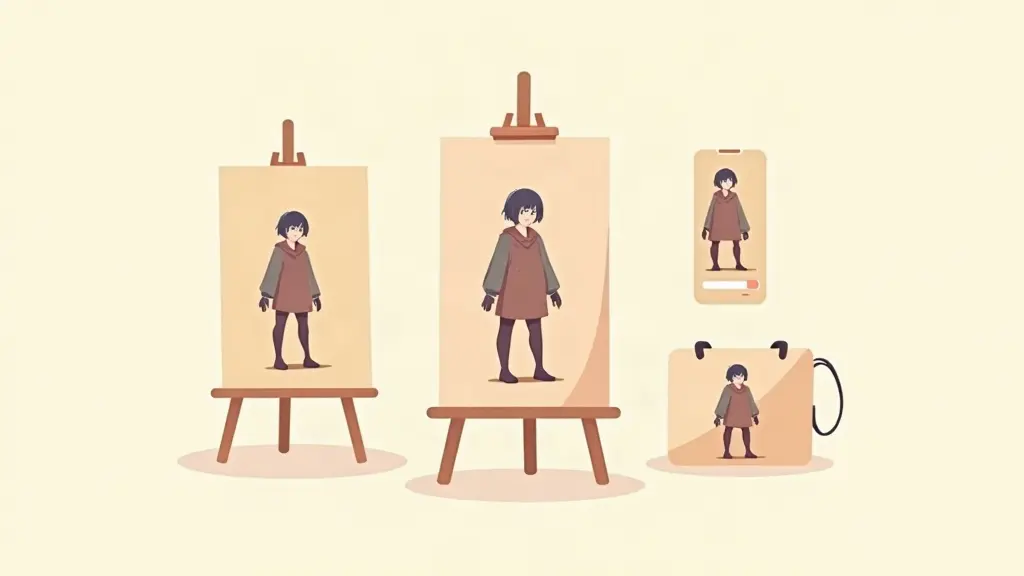
Commissioning illustrations for a VTuber—deciding on the format (standing illustration, variations, and model data) beforehand.
When commissioning artwork for a VTuber, simply asking for a single standing illustration isn't enough to move the project forward. We've organized the items that the client should decide on beforehand, from how to handle facial expression variations, layering for animation, division of labor between the artist and modeler, to how to determine rights with monetization and merchandise in mind.

How far does copyright in illustrations transfer? — The difference between licensing and copyright transfer.
Even when you commission illustrations, the copyright doesn't automatically transfer to the client. This article explains the difference between licensing and copyright transfer, what rights remain with the artist after the transfer, and what items to check in the contract, from the client's perspective. We also provide guidelines for various scenarios and three common problem areas.
Example and template texts for illustration requests: 8 items to include in your first message.
What should you write in the first letter when requesting an illustration? We've compiled ready-to-use examples and an 8-point template that ensures your message is conveyed effectively. We cover everything in a practical order, from how to write a letter that is less likely to be rejected, to how to rephrase ambiguous terms, how to request revisions, and 5 points to review before sending.