




Color evokes emotions. 7 perspectives to transform illustration color schemes into "communicative designs."
Color arrives before lines. Hue as temperature, saturation as volume, color dialects that exist in each industry, how to use a single accent color effectively, and the option of monochrome. This is a practical guide to restructuring the often intuitive color schemes of illustrations into usable criteria for professional work.
A 0.5-second battle on the shelf. A single label determines the character of the product; it's the blueprint for the package illustration.
To ensure a product is chosen in 0.5 seconds on a shelf, what should be discarded and what should be retained in the packaging illustration? From printing constraints and coexistence with legal labeling to designing a series, this book traces the process of creating a single image that defines the product's character, step by step.
The illustration chosen in 0.5 seconds—why are light novel cover illustrations entrusted to the character designer first?
Less than a second passes before a book is selected on the shelf. How is the cover art designed for that fleeting moment? From character design to frontispieces, illustrations, and promotional materials, this book unravels the structure of the work that represents a series, including what goes beyond the book itself.

The invention of character portraits: A new design philosophy brought to illustration work by the virtual world.
The new format of standing character illustrations, the layering system based on Live2D, the division of labor between character designers and modelers, and the culture of commemorative illustrations—this book examines, from a structural perspective, what virtual reality has brought to the work of illustration.
From Ukiyo-e prints to timelines—where does Japanese illustration culture come from, and where is it headed?
From woodblock prints for ukiyo-e to magazine illustrations, street posters, fanzines, personal websites, and even timelines—Japanese art has always arrived in some form or medium. Rather than focusing on individual artists, let's trace the larger cultural currents that have led us to this era where art itself is intellectual property.
The Complete Guide to Commissioning Illustrations: From Defining Your Purpose to Scope of Use, Number of Revisions, and Budget
Why does "it's not what I expected" happen? A practical guide to commissioning illustrations for work. We've covered everything from articulating your purpose, intended use and size, how to provide references, the difference between copyright and usage permission, the number of revisions, budget considerations, and the differences between going through management and direct requests.
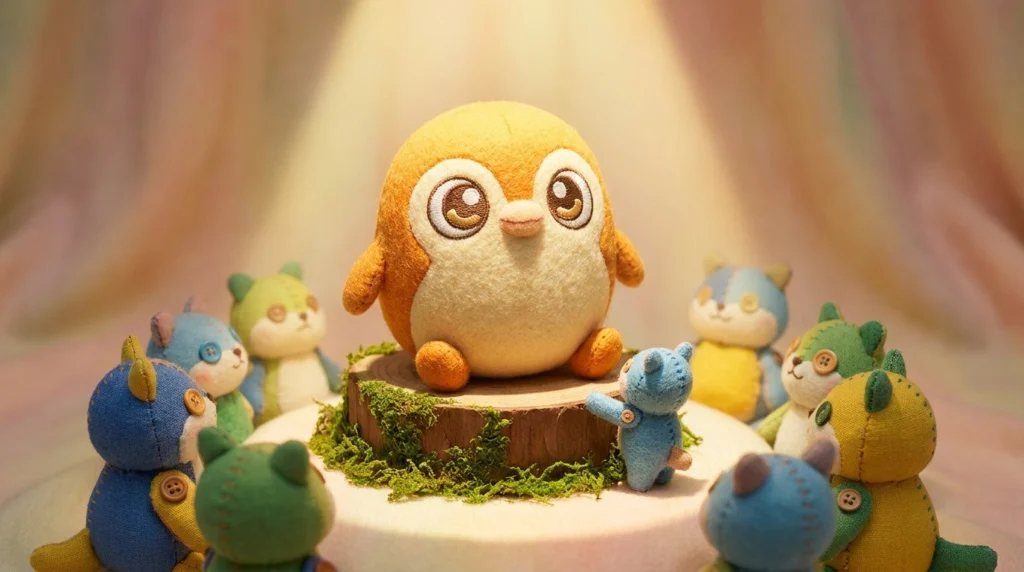
Why are "likable characters" so powerful? — The structure you should know before starting an IP.
Cute characters quickly become tiresome, while simple characters are loved for years. Where does this difference come from? This article explores the concept of "contextual vessels," the psychology of fan activities, the structure in which fans take on the role of publicity, and four steps to starting small.