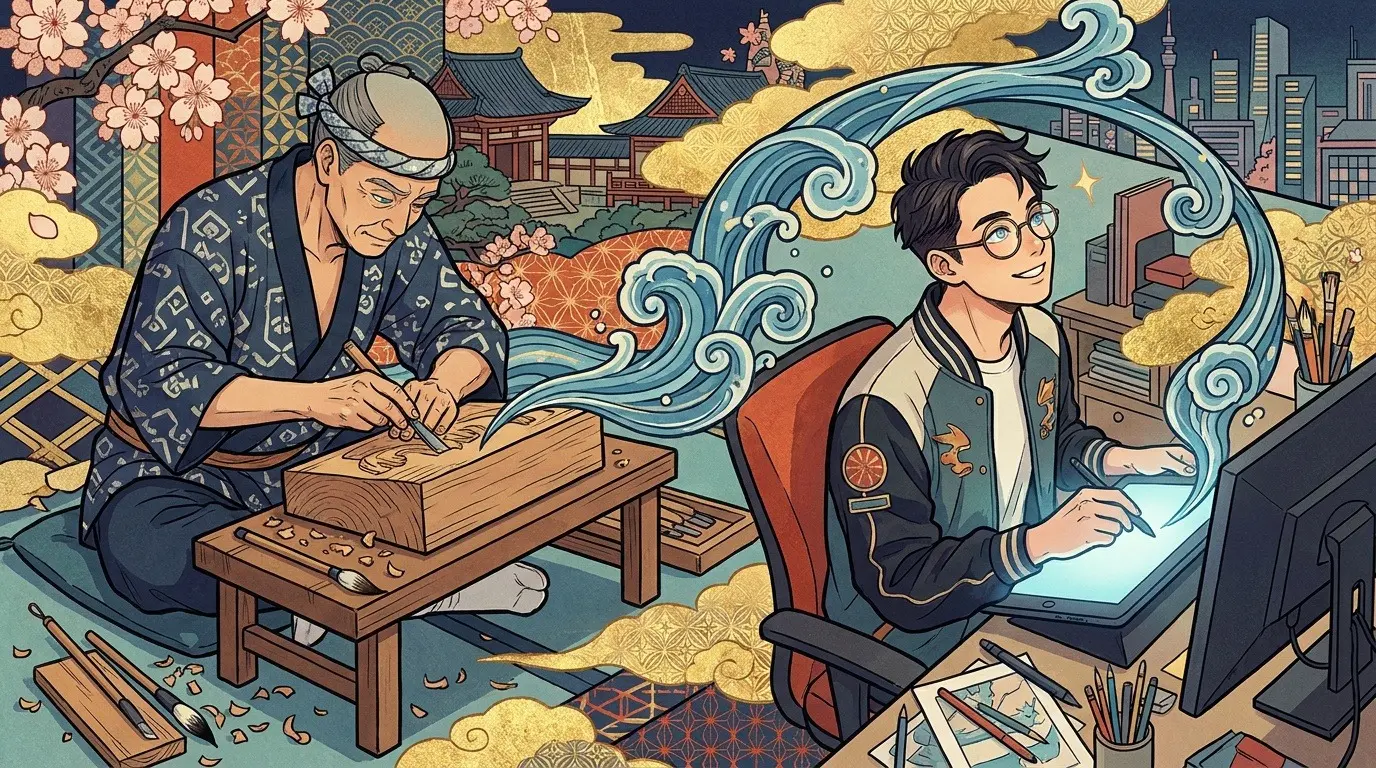
- Ukiyo-e prints were mass-produced, and the work was divided among the artist, engraver, printer, and publisher. The production flow and structure are similar to those of modern commercial illustrations.
- As publishing became more widespread, illustrations shifted from single prints to individual pieces within books and magazines, giving rise to today's concept of delivery in terms of deadlines and quantity.
- Advertising illustrations need to make an impact in just a few seconds as people pass by, and this demand has honed Japanese illustration skills.
- The greatest invention of doujinshi (self-published comics) is not economics, but distance. A system was created where the comics could be drawn, printed, and handed over without going through a client.
- What truly changed with digital technology wasn't the tools themselves, but the ability to "redo" things. This fostered a mindset completely opposite to the one-shot, high-stakes nature of woodblock printing.
- Nowadays, illustrations have become intellectual property, and the artist's role no longer ends with simply "drawing." There are increasing instances where the artist themselves is taking on the responsibility of managing the distribution and distribution of their work, a role previously handled by the publisher.
When discussing the history of art, we often focus on "who drew it." However, if we slowly unravel the history of Japanese illustration culture, a more understated, yet crucial question emerges: What medium carried that image to people ? Was it a board, paper, a magazine page, a poster at a train station, a browser, or a timeline scrolling by at our fingertips? As the medium changes, the way the image is created, and the artist's perspective, quietly shift as well.
In this article, instead of focusing on individual artists or specific dates, I'd like to trace the broader trends that Japanese painting has followed. Viewing it as a continuous river should help clarify the outline of where we stand today.
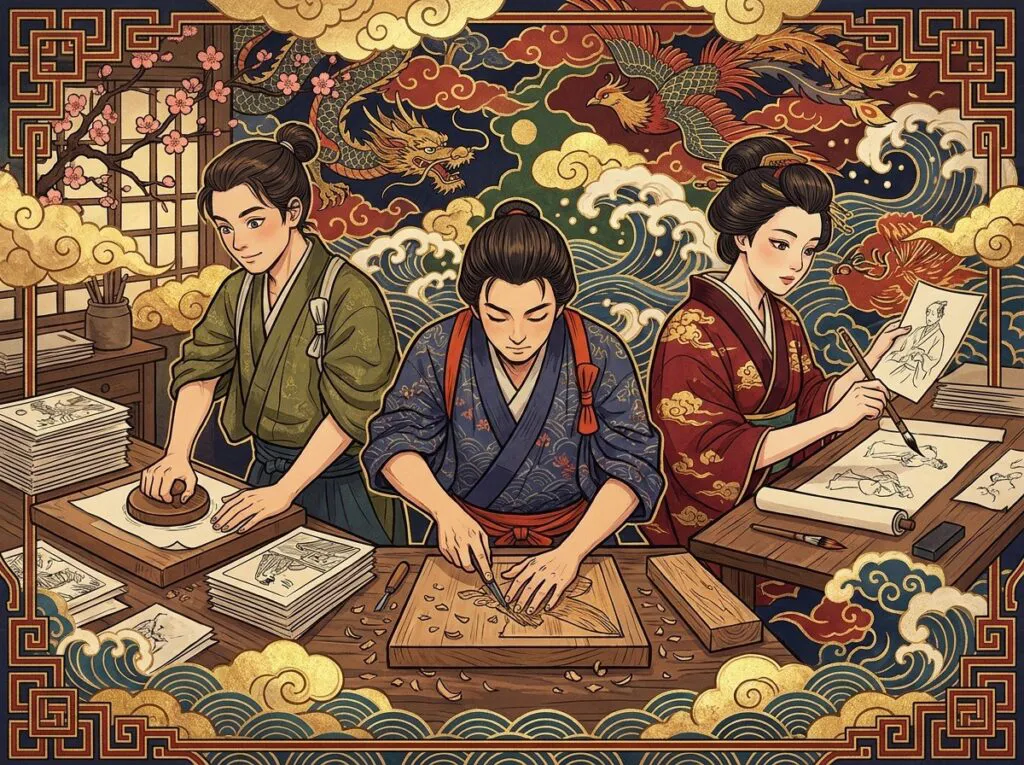
Pictures have always been "printed."
When we hear the term "ukiyo-e," we often picture a single print respectfully displayed behind glass in a museum. However, those prints were originally mass-produced . An artist would draw the preliminary sketch, an engraver would create the woodblock, a printer would layer the colors, and a publisher would handle the distribution and sales. It wasn't an endeavor completed by a single genius working on paper, but rather a legitimate production flow in which multiple craftsmen collaborated to complete a single image.
This structure is surprisingly similar to the current commercial illustration scene. There's someone who directs, someone who draws the lines, someone who handles the coloring and finishing, and someone who distributes it to the world. In the sense that the process is divided into different stages, Edo-era workshops and today's studios are directly connected. The image that "illustration is an individual skill" might actually be a rather recent concept.
Another point that cannot be overlooked is that the woodblock printing technique itself determined the expression of the image. The sharp outlines and the flat placement of color areas are a reflection of the constraints imposed by the shapes that could be carved and the number of colors that could be printed on the woodblock. The tool creates the image . This paradox remains completely unchanged, even as brushes have been replaced by LCD tablets.
It is widely known that these inexpensive "prints" eventually crossed the ocean and astonished European painters in the 19th century. Bold compositions, flat colors, and daring use of negative space—what was treated almost as an everyday consumable item domestically appeared fresh and new to outsiders. From its very beginnings, Japanese painting had a path where inexpensive media aimed at the masses ultimately became the face of culture .
Next to writing, the work of drawing was born.
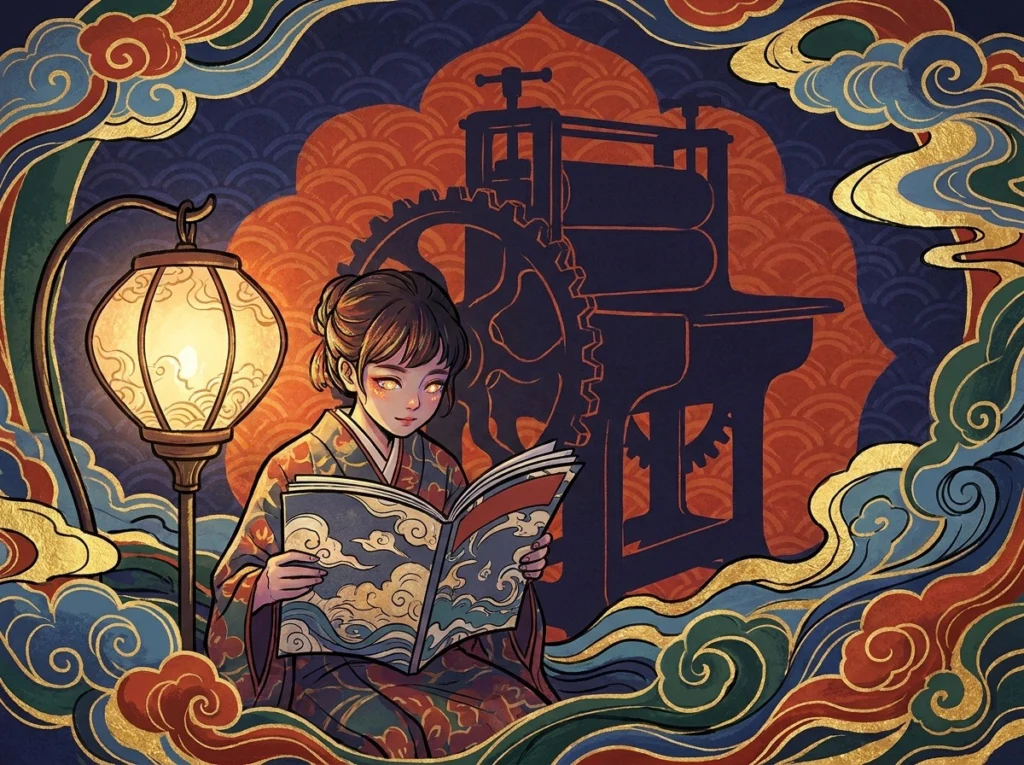
With the spread of modern letterpress printing and publishing, the role of illustration shifted. From single illustrations sold individually, to pieces within books and magazines —illustrations depicting scenes in novels, frontispieces adorning the pages of books, and lively cutouts in children's magazines—illustrations now played a role in guiding the reader's imagination ahead of the text.
The illustration format was invented
- Deadline and quantityThe process of fitting the illustrations into a fixed-size frame by a set date, in line with the publication schedule, is where the concept of "delivery time" originated.
- Subordination to the narrative, and freedom within itAs long as there is an original work, the artwork cannot be completely free. Nevertheless, it is up to the artist to decide "which moment to capture." The skill of expressing individuality within those constraints is honed.
- Closeness to readersPick it up, flip through the pages, and eagerly await the next issue. The illustrations become a part of your daily schedule.
In this demographic, "making a living by drawing pictures" began to take on a clearer definition as a profession. At the same time, the phenomenon of popular art styles spreading nationwide through magazines also occurred. Boys and girls in different regions who read the same magazines would be inspired by the same art styles and begin to copy them. The sense of art being shared on a wide scale was something that was provided by print media first, not by social media.
Advertisements gave speed to the painting.
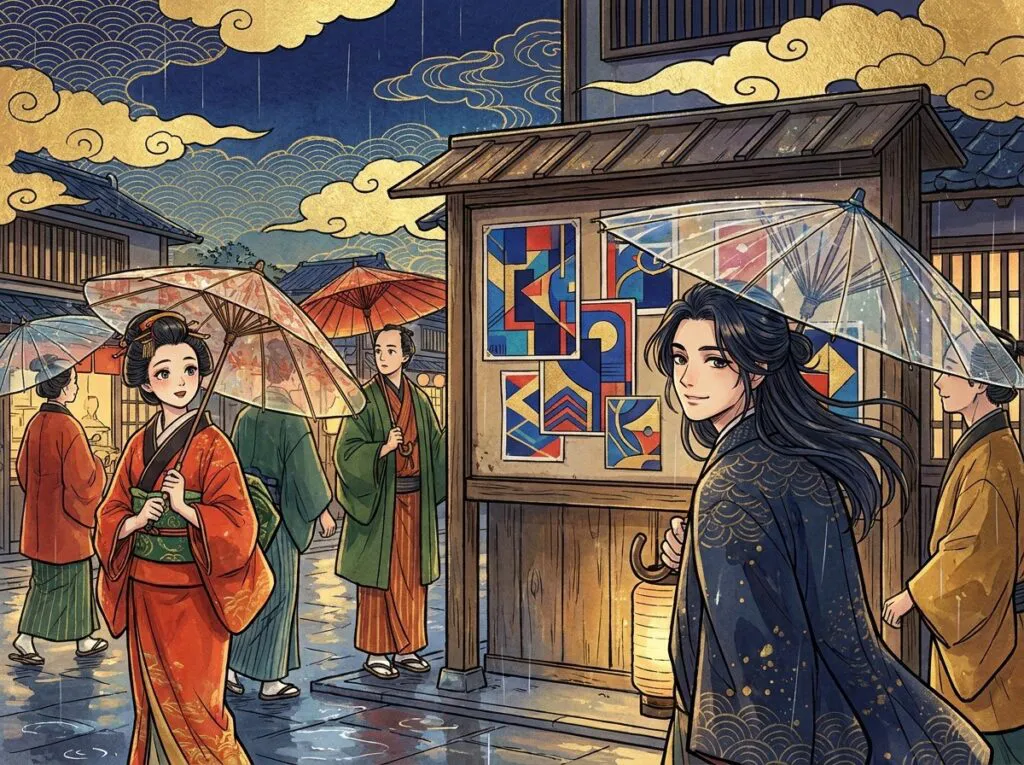
As the post-war consumer society developed, illustrations began to appear on the streets. Posters, packaging, newspaper and magazine advertisements, train advertisements—unlike illustrations that readers sit down to read, advertising illustrations had to make an impact in just a few seconds as people passed by . This demand drastically honed Japanese illustration skills.
A composition that conveys the message in seconds. Colors that are effective even from a distance. A layout that doesn't clash with text. The product or mood to be conveyed comes first, and the illustration takes on the role of expressing that "expression." During this period, the role of the illustrator became established in society as a third position—neither craftsman nor painter—a profession referred to in katakana as " illustrator ."
Another change brought about by the advertising era is that artwork now has a budget and evaluation criteria . It's not just about whether it's good or bad, but whether it was effective. Entering the commercial arena means that your work becomes intertwined with numbers. It may seem restrictive, but I think this tension has certainly refined the ability to create "artwork that makes you want to read."
Another way of thinking: through doujin activities.
Up to this point, the process always involved the commissioning party, such as the publisher, publisher, or advertiser. In contrast, a system developed where people drew, printed, and handed out their own works without being asked by anyone . This is the culture of doujinshi (self-published comics).
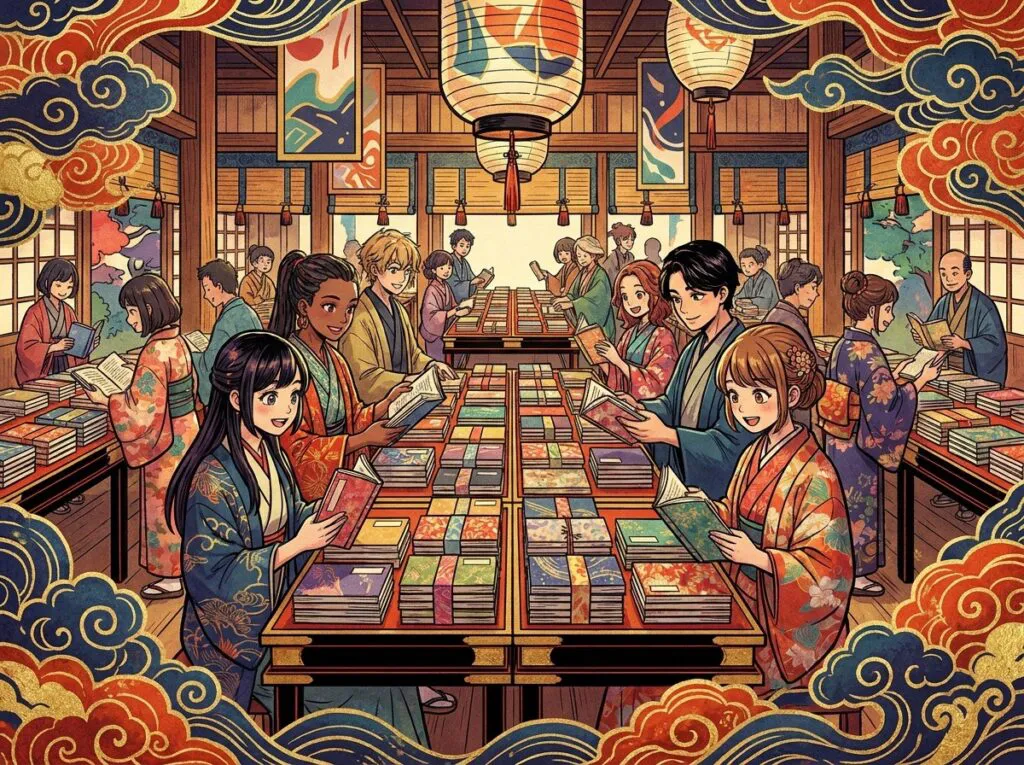
With photocopiers and small-batch printing becoming more readily available, books can now be produced without significant capital. Tables are set up in the venue, thin booklets are stacked, and people interact directly with those who come. Perhaps the greatest invention of this format is not economic, but distance . All intermediate steps disappear between the creator and the recipient.
This circuitry gave Japanese illustration culture a unique character.
- The premise is that you can draw whatever you like, with whatever level of detail you like.
- Developing comprehensive practical skills by managing deadlines and submissions independently.
- A cycle where readers become the next creators.
Commercial and independent publishing are often discussed as opposing concepts, but in reality, they are more like two rivers flowing back and forth. Skills honed through professional work are poured into personal books, and the style discovered in personal books leads to professional work. Having both pathways has played a significant role in supporting the depth of talent among artists in this country.
The screen became an art studio.
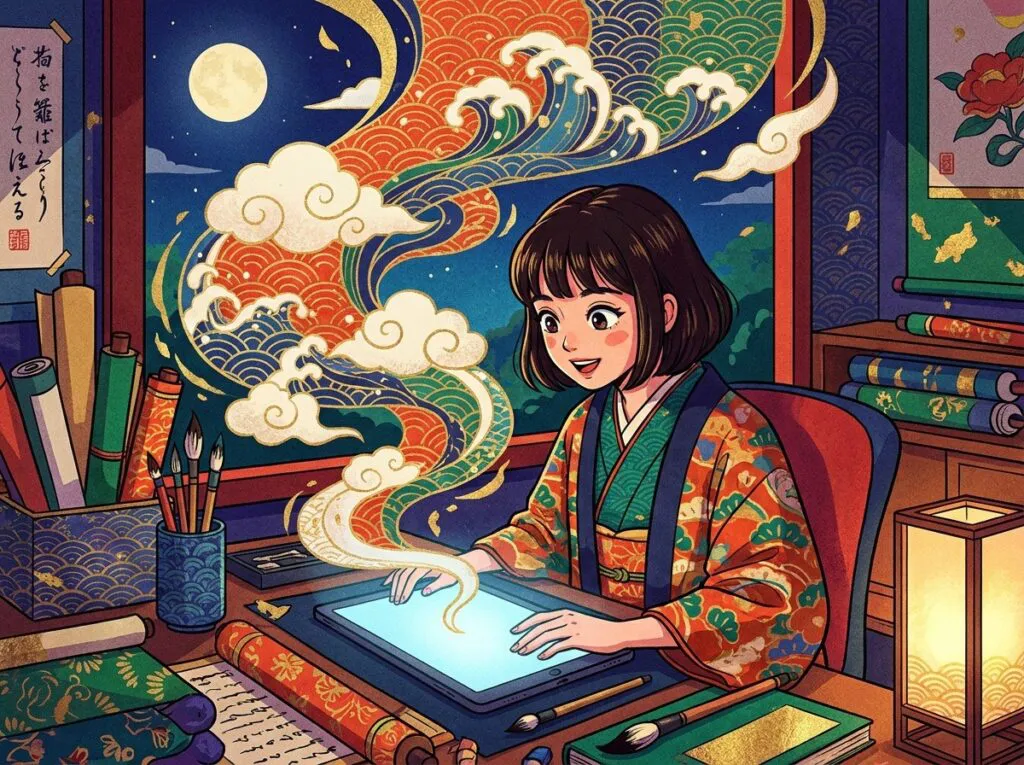
The advent of digital technology is often described as a replacement of tools. But perhaps what has truly changed is the ability to redo things . Separating with layers, changing colors later, erasing mistakes and going back. The ability to correct mistakes fundamentally changes how we create art. A way of thinking completely opposite to the one-shot challenge of woodblock printing has developed.
At the same time, individuals gained their own space: small personal websites, message boards, and communities where people can post their artwork. They could publish their work without being selected by someone else. However, they had to figure out how to get discovered on their own. This was an era where the right to publish and the responsibility to reach others simultaneously fell to the individual.
Around this time, the pace of learning among artists also skyrocketed. The processes of skilled artists were made public, tutorials were shared, and paintings incorporating the best aspects were then published. Techniques that had once been confined to studios began to blend together rapidly on the canvas.
The era of the timeline, and its light and shadow.
Eventually, platforms specifically for posting illustrations—services like pixiv—became established, and social media platforms were added on top of them. Art transformed from something you "search for" to something that "flows into your life." New works from people you follow arrive automatically in the palm of your hand on your commute. This was a rather unusual situation in history, and now it's commonplace.
This change has both a clear light and a shadow.
- LightA single post from someone with no track record or affiliation can reach tens of thousands of people in a single day. Opportunities are open to everyone, even those in rural areas or students.
- LightBy visualizing the reactions, even self-taught individuals can verify how their own artwork is effective.
- 影It's easy to mistakenly believe that numbers represent the very value of a painting. There's always a force at work that pulls you towards subjects that are quick and visually appealing to the eye.
- 影The fast pace of work tends to be a disadvantage for tasks that require careful attention and time.
Even so, it's fair to say that Japanese illustration culture has reached a milestone at this stage. The number of artists, the volume of artwork published, and the nuanced nature of the genres—there aren't many societies where the feeling of "liking art" is so clearly visible as such a large group.
The current landscape where images become "IP" (Intellectual Property).
And now, drawings no longer remain just drawings. A single character becomes merchandise, moves in animation, appears in games, is combined with other genres, and sometimes even crosses national borders. The character itself becomes the unit of the economy —this is the age of IP (Intellectual Property). To give an example using only words, it is no longer unusual to see beings that started as drawings, like Chiikawa or Sanrio characters, permeate a wide range of aspects of our lives.
Let's summarize the process so far in a single table.
| Layers of the era | A vessel with a picture on it | How it arrives | The artist's perspective |
|---|---|---|---|
| woodblock layers | A single-sheet illustrated book | Buy at the storefront | One of the functions within the division of labor in a workshop. |
| Layers of letterpress and magazines | Illustrations and frontispieces | Delivered in a periodical | My partner in serialization, working with the editor |
| Advertisement layers | Poster Package | Unexpected encounters in the city and in stores | Professionals who create the brand's image |
| doujin layer | A thin booklet that you make yourself | It will be handed out at the venue. | A creator who is also the client |
| Net layer | Personal website/posting platform | Search and find | Individuals who connect directly with readers |
| Timeline layers | SNS/Apps | They drift by and meet | Responsible for both production and dissemination. |
| IP layer | The character itself | Expanding into products, videos, and experiences. | Parties with rights |
What's interesting is that the upper layers of this chart haven't been replaced by the lower layers. Printed materials are still being printed, magazine illustrations, advertising art, and fanzines are all still active, running simultaneously. The depth of Japanese illustration culture is built not on the renewal of new material, but on the overlapping of layers .
The increased workload for artists today
When an illustration becomes intellectual property, it means that the artist's role no longer ends with simply "drawing." How far can the illustration be used? What are the limits of secondary use? If it's a character that will be developed over a long period, who will set the standards for its worldview? The traffic control that was once handled by publishers and distributors is now increasingly being borne by the artist themselves.
That's why the need for someone to handle contracts and team building alongside the creators is increasing. The fact that the job of creator management has been properly discussed in recent years is likely a reflection of this structural change.
Whether you're carving woodblocks, chasing magazine deadlines, folding books in front of a copier, or now sitting in front of an LCD tablet, the core of what you're doing is probably the same. You have a picture you want to show someone . The vessel changes again and again. That's the only thing that remains constant, and as long as that remains, the river will continue to flow.
- What are the similarities between Ukiyo-e prints and modern commercial illustrations?
- It's a structure of division of labor. In ukiyo-e, the artist drew the preliminary sketch, the engraver created the woodblock, the printer added the colors, and the publisher handled the distribution and sales. The fact that there are separate roles for direction, drawing, finishing, and delivery is similar to the current situation in the industry.
- What has the format of illustration brought to your work as an illustrator?
- There are three things. A sense of deadlines and quantity to fit within a set format and by a set date in line with the publication rhythm; the skill to judge "which moment to capture" within the constraints of the original work; and the closeness to readers who eagerly await the next issue.
- How has the spread of social media changed the distribution of illustrations?
- Art has changed from something you "go looking for" to something that "flows in." It's a change where a single piece by someone without a track record or affiliation can reach a wide audience within the same day, and at the same time, it casts a shadow.
- How will the work of an artist change when their artwork becomes intellectual property?
- To what extent can an image be used? What is the scope of secondary use? If the work is to be nurtured over the long term, who will set the standards for the worldview? —The traffic control that was once handled by publishers and distributors is now shifting to the artists themselves. That's why the need for someone to take on contract and coordination responsibilities is increasing.
* The illustrations featured in this article are original works created specifically for this media outlet. The copyrights to the works, characters, and product names mentioned in this article belong to their respective owners.
OSERU IMG.
You can consult with us about the content of this article when you're actually working on your project.
OSERU IMG. This is a creative studio comprised of illustrators, character designers, and motiongraphers.Search by style and track record, then contact us directly.Yes, we can. We welcome inquiries even if you're still in the "undecided" stage.
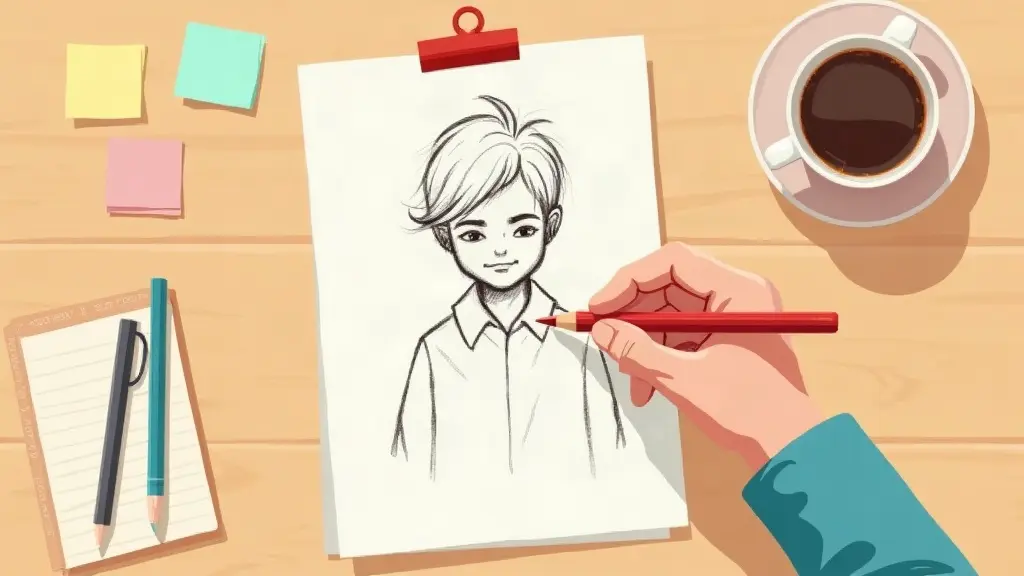
How to interpret illustration roughs—things to check upon arrival and how to return them.
When you commission an illustration, you'll receive a "rough sketch" before the final version is complete. This rough sketch is a preliminary drawing to determine the composition and pose, and it's not the stage for reviewing details or colors. This guide outlines what to check upon receiving the rough sketch, how to apply it to your actual intended use, how to summarize internal confirmations, and how to respond.
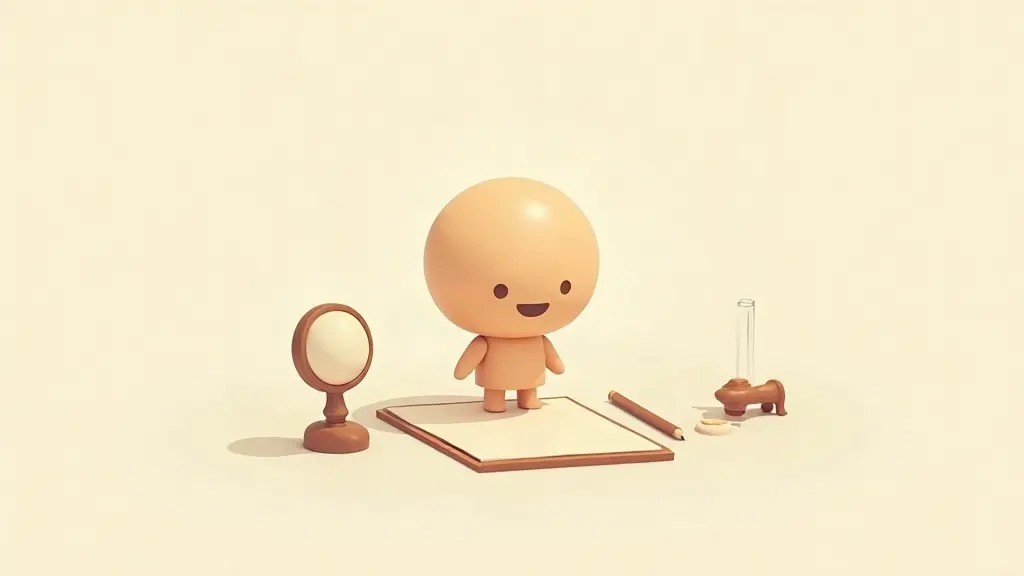
Commissioning SD illustrations—decide on the proportions, features to keep, and intended use beforehand.
SD illustrations (chibi characters/mini characters) are drawings that redraw original characters in a smaller size. When commissioning illustrations for merchandise, stamps, icons, or for streaming, we've organized the things you should decide beforehand, such as the character's proportions, features to keep, intended use, variations, and how to proceed, including checking the rights of copyrighted or affiliated characters.
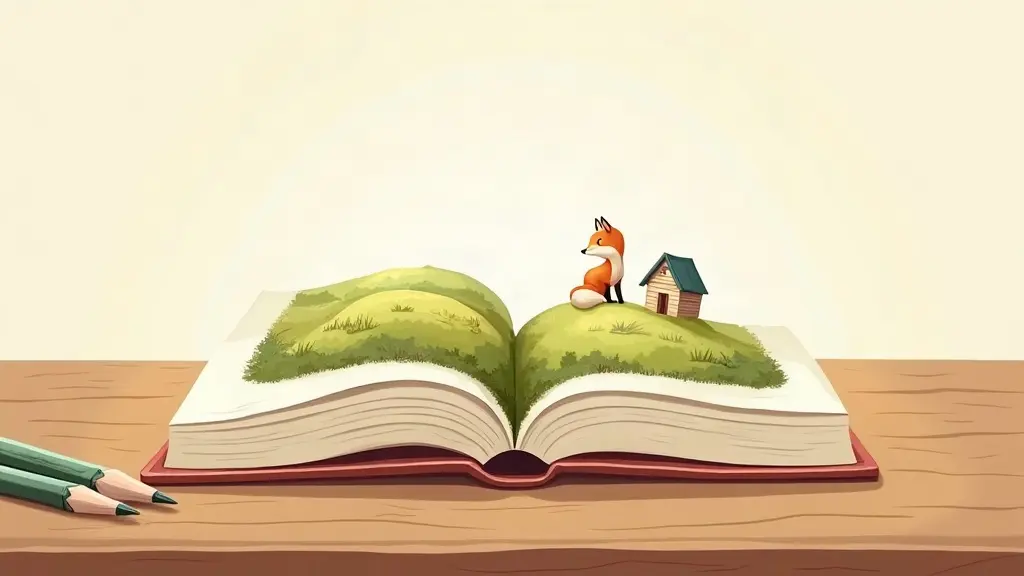
Commissioning illustrations for a picture book—how to commission illustrations for a book where "pictures convey the story," which is different from illustrations for other books.
Unlike illustrations that accompany text, the illustrations in picture books carry the story themselves. When commissioning an artist to create a commemorative picture book or one for a company or local government, we have organized the things you should decide beforehand, such as the target audience, page layout, division of writing and illustration responsibilities, printing, rights and secondary use confirmation, and the process.