- The starting point is the audio source. A simple table translating the song into seconds and timecode becomes the common language for all subsequent processes.
- Storyboards for lyric videos are closer to a "script of movement" than to shot breakdowns. They include details like camera angles, layer flow, and the inclusion and exclusion of lyrics.
- The director decides three things: the order of eye contact, the distribution of density, and the synchronization quirks (whether to match the beat or be half a beat behind).
- While the goal of a regular illustration is a "finished piece," the goal for a music video is a disassembled state. The moment it's separated, the "parts that weren't visible" need to be filled in.
- There are two methods for animating: one involves building a rig (which excels at blinking, breathing, and hair movement, and is also reusable), and the other involves animating individual parts.
- Lyrics are not just meant to be read, but to "carry" something on the listener. The unit (line/phrase/character), readability, and typeface all determine the quality.
- The difference in quality that is noticeable even to an untrained eye usually comes from compositing (color uniformity, depth of field, grain, and glow).
- The order of the end credits corresponds to the process. Being able to read the credits is almost equivalent to being able to write a purchase order.
When the music video for your favorite song isn't live-action or animated, but rather "a single image that quietly breathes," where does that strange feeling of comfort come from? Much of the answer lies not in the finished video, but in the early stages of production.
Illustrated music videos and lyric videos are often thought to be the work of a single person with exceptional drawing skills. In reality, they are the result of a combination of multiple skills, including storyboarding, illustration, rigging, motion capture, typography, and compositing. Understanding this overlap makes it much clearer what to ask of whom when you're commissioning a video. This time, we'll follow the process step by step, and finally, we'll re-examine the end credits as a blueprint for commissioning a video.
First, break down the song into "seconds".
The starting point for everything is the audio source. How long is the intro? How many measures are there before the verse changes? First, we translate the song into seconds and timecodes. The simple table created here becomes the common language for all subsequent processes.
There are roughly three things we want to decide at this stage.
- The structure of the shakuWill you be delivering the full-size version, or will a short version be delivered at the same time?
- Delivery specificationsResolution, frame rate, aspect ratio (both portrait and landscape formats are often delivered).
- Number of picturesWill it be a single image throughout, or multiple cuts with scene changes?
The question, "How many paintings do we need?" is actually synonymous with "Where will we allocate the budget?" If you proceed with ambiguity, it will inevitably cause problems later on.
Storyboards are "scripts for movement."
When you hear the word "storyboard," you might imagine a drawing of shots, but a storyboard for a lyric video is more like a script for movement . If the composition relies on a single still image, then what's depicted there is "how the camera zooms in," "which layers play and when," and "where the lyrics come in and where they end."
Three things that direction decides
To put it simply, a director's job boils down to deciding three things: the order of the viewer's gaze (what to show first and where to guide them next), the distribution of density (where to add information and where to subtract), and the nuances of synchronization (whether to match the beat or deliberately delay it by half a beat). If these aren't decided before commissioning illustrations, you'll end up with beautiful pictures that become boring when animated.
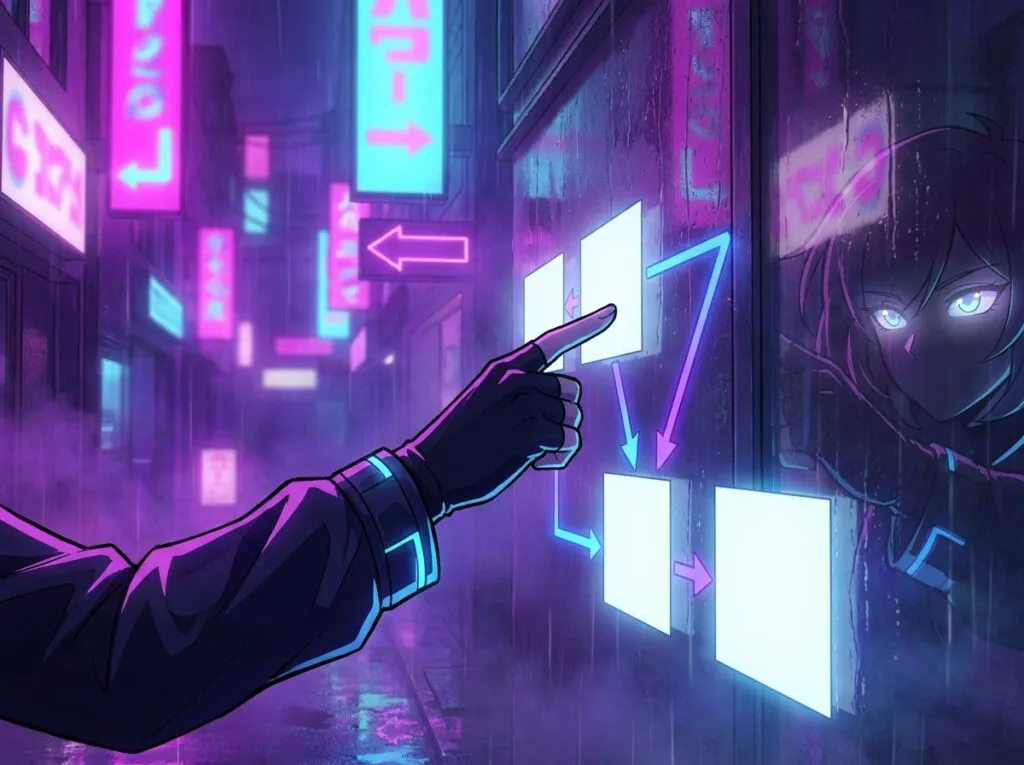
Illustration creation by working backward from layer separation.
This is the turning point for illustrated music videos. With regular illustrations, the goal is a "finished image," but with illustrations for music videos, the goal is a disassembled state . Hair, bangs, face, eyes, clothes, arms, background (far, middle, and close-up), light—you divide the image into as many layers as there are things you want to animate.
And the moment you divide the image, you inevitably discover "parts that weren't visible." If you move the arm aside, the torso is blank; if you move the bangs, the forehead is white. This necessitates adding details to fill in the hidden areas . This is an extra step not typically found in illustration production and is one of the most easily overlooked items in estimates.
Layering is less like drawing and more like writing a "handover document for my future self." Layers without names are unreadable to anyone three days from now.
Naming conventions, whether or not elements can be merged, and how to handle spacing—whether the illustrator and motion designer have a clear understanding of these points before starting makes a noticeable difference in the speed of the later stages of the project, sometimes doubling it in terms of feel.
Motion: Build a rig or move the parts.
There are two main methods for adding movement to disassembled images. One is the method exemplified by Live2D, which involves setting meshes and parameters for parts to assemble the character itself into a state where it can move . It excels at organic movements such as blinking, breathing, hair swaying, and facial direction, and once assembled, it can be reused in other shots.
Another method involves animating each part individually using compositing software. This method is strong in combining camera work, parallax, and effects, and is suitable for one-shot productions. In practice, it's common to mix the two methods, with a typical division of labor being "characters are rigged, and backgrounds and lighting are handled in software."
Choosing between the two options is less about the art style or budget, and more about whether there are plans for reuse . Is it a one-off music video, or will it be used for merchandise, short videos for social media, or character illustrations for streaming? If you can figure this out, the initial design will change completely.
Lyric Motion: The lyrics are meant to be "put on" rather than simply read.
The main focus of a lyric video is, of course, the lyrics. However, the animation of the lyrics isn't just there for the sake of reading them. The timing of when the letters appear and disappear, how they bounce, and how they blur all act like instruments that convey the texture of the song.
- unitShould it be line by line, phrase by phrase, or character by character? The more you break it down, the more steps are required, but the faster the information feels.
- Reading time: Is there enough time for viewers to actually read the entire sequence from appearance to disappearance?
- FontDoes it match the mood of the song? Is it usable for that purpose without any licensing issues?
- Security Domain: Will the text be cut off when using the UI or cropping thumbnails on social media?
If a font license issue is discovered after delivery, replacing the font is the most costly mistake. It's crucial to clearly define who will perform the license check at the time of ordering.
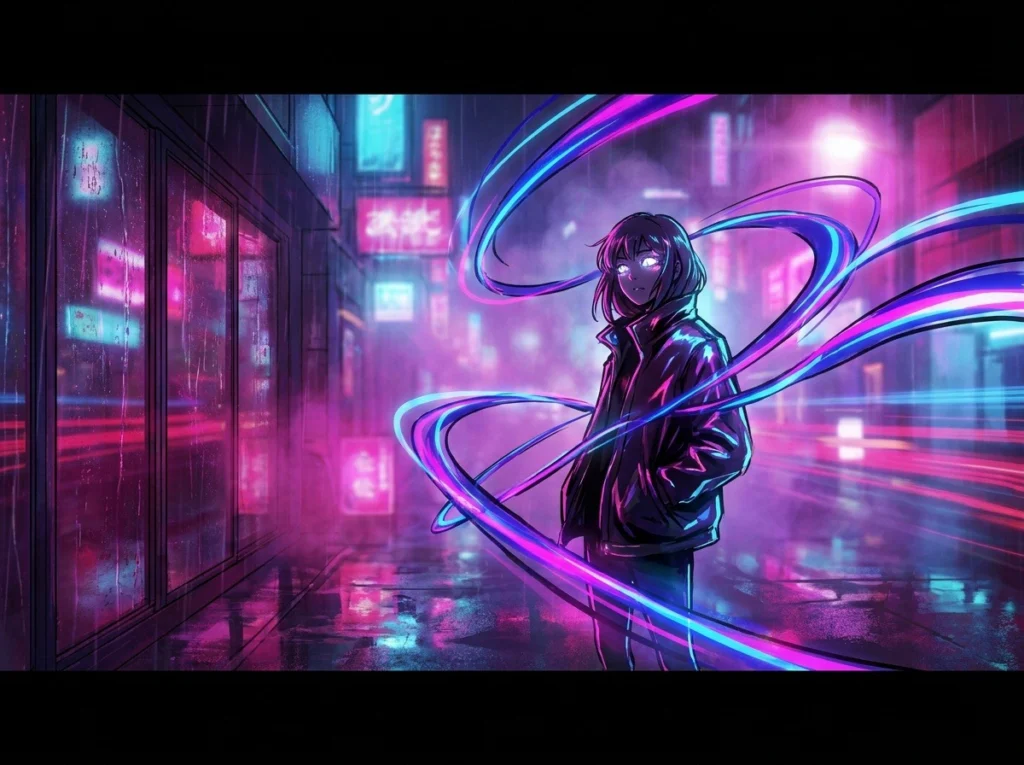
Composite: The last 30% to make everything the same.
The images came to life, and the lyrics began to move. But it's still not finished. Each element is a collection of materials from different places, and the way the light hits them and the temperature of the colors are all different.
Composite refers to the process of placing images together in a single, unified atmosphere. Color grading unifies the colors, depth of field creates depth, and grain, glow, and subtle noise give the impression that they were taken through the same lens. The difference in quality, even to the untrained eye, usually arises at this stage.
How to read credits = How to write a purchase order
The steps up to this point directly correspond to the order of the end credits. In other words, being able to read the credits of your favorite music video is almost the same as being able to write an order form.
| Credit notation | The work that is actually being done |
| Director / Video Direction | Decision-making regarding composition, storyboards, and direction. |
| Artwork | Original artwork. Often includes layer separation. |
| Character Design | Designing the art style and setting. Often done by a different artist than the original artist. |
| Rigging / Modeling | Incorporate a moving mechanism into the parts. |
| Animation / Motion Graphics | Actual movement, camera work |
| Lyric Motion / Typography | How to display lyrics, font selection |
| Compositing / Editing | Integration, color, export |
By placing this chart beside me and looking at my own projects, I can articulate whether I want to "outsource only the illustrations and handle the rest in-house" or "outsource the whole process." This is the moment when the vague request to "create a music video" transforms into a detailed order form listing the responsibilities and workload.
A system that includes both illustrators and motiongraphers—for example OSERU IMG. List of creatorsLooking at a setup like this, you should be able to see more clearly just how many different skills are involved in creating a single music video.
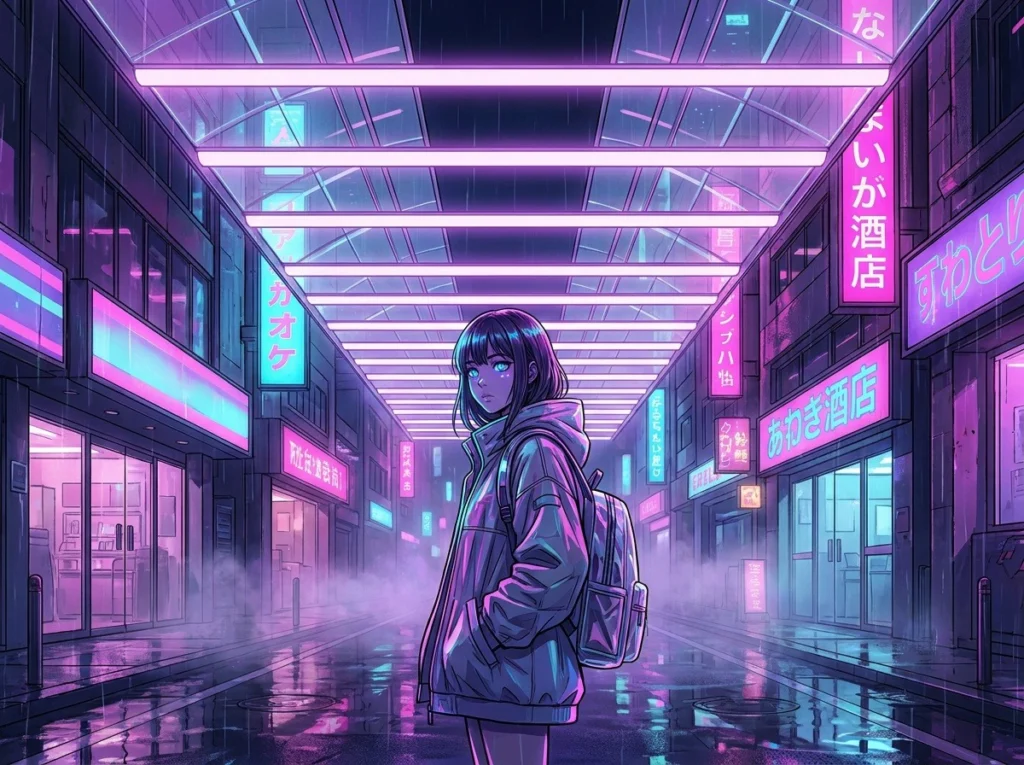
Five things to decide before placing an order to avoid problems
- Dimensions and delivery format: Full/Short, Resolution, Aspect Ratio, Deadline
- Number of images and granularity of decompositionHow many sheets, how far to divide them, and does this include bleed-over areas?
- Method of movement: Will you build a rig, or will you operate it based on the materials?
- How to handle lyrics: Will all of it be released or only some? Who decides the font, and who holds the license?
- Scope of Secondary UseWill these be used for social media clips, merchandise, or streaming content?
It doesn't take long to decide on any of these things. However, whether or not you discuss them in the initial meeting quietly but decisively affects the number of revisions needed later on. The next time you watch your favorite music video, be sure to watch it all the way through and look at the credits. Those few lines are not only a list of the creators, but also the table of contents for the next order you write.
- Where do you start when it comes to creating an illustrated music video?
- It starts with breaking down the audio source into seconds and timecode. How many seconds is the intro? How many measures are there before the A section starts? The simple table created at this stage will become the common language for all subsequent steps.
- What's the difference between illustrations for music videos and regular illustrations?
- The goal is different. Normally, the goal is a "finished image," but for a music video, the goal is a disassembled state. You divide the image into layers for each element you want to move: hair, bangs, face, eyes, clothes, arms, background (foreground, background, and lighting). The moment you separate the layers, you need to add details, such as a blank space on the torso when you move the arms, or a white forehead when you move the bangs.
- What are some ways to animate pictures?
- There are two main approaches. One is the method exemplified by Live2D, where meshes and parameters are set for individual parts to create a character that can be animated (excelling at organic movements and reusable in other shots). The other is the method of animating individual parts using compositing software.
- What should I be careful about when animating lyrics?
- The unit in which the lyrics are broken down (line by line, phrase by phrase, or character by character) affects the amount of work required and the speed at which information is conveyed. Consider whether there are enough seconds for the viewer to actually read the lyrics from their appearance to their disappearance, and whether the font matches the mood of the song. Lyrics not only serve to be read, but also act like an instrument that conveys the feel of the song.
- What should be decided before placing an order?
- There are five points: length and delivery format (full/short, resolution, aspect ratio, deadline), number of images and granularity of breakdown (including bleed), animation method (rig or stock footage), handling of lyrics (who decides the font and who holds the license), and scope of secondary use (SNS clips, merchandise, streaming material).
* The illustrations featured in this article are original works created specifically for this media outlet. The copyrights to the works, characters, and product names mentioned in this article belong to their respective owners.
OSERU IMG.
You can consult with us about the content of this article when you're actually working on your project.
OSERU IMG. This is a creative studio comprised of illustrators, character designers, and motiongraphers.Search by style and track record, then contact us directly.Yes, we can. We welcome inquiries even if you're still in the "undecided" stage.


The invention of character portraits: A new design philosophy brought to illustration work by the virtual world.
The new format of standing character illustrations, the layering system based on Live2D, the division of labor between character designers and modelers, and the culture of commemorative illustrations—this book examines, from a structural perspective, what virtual reality has brought to the work of illustration.

Example and template texts for illustration requests: 8 items to include in your first message.
What should you write in the first letter when requesting an illustration? We've compiled ready-to-use examples and an 8-point template that ensures your message is conveyed effectively. We cover everything in a practical order, from how to write a letter that is less likely to be rejected, to how to rephrase ambiguous terms, how to request revisions, and 5 points to review before sending.
Designing Corporate Characters to Last: 7 Steps to Creating Character Designs
If you start with a cute design, no one will use it after six months. When creating a corporate character, we decided on the role, silhouette, number of colors, facial expressions, and tone of voice before even drawing the illustration, and organized everything from the supervision regulations to the mass production design in the order it would appear on the ground.