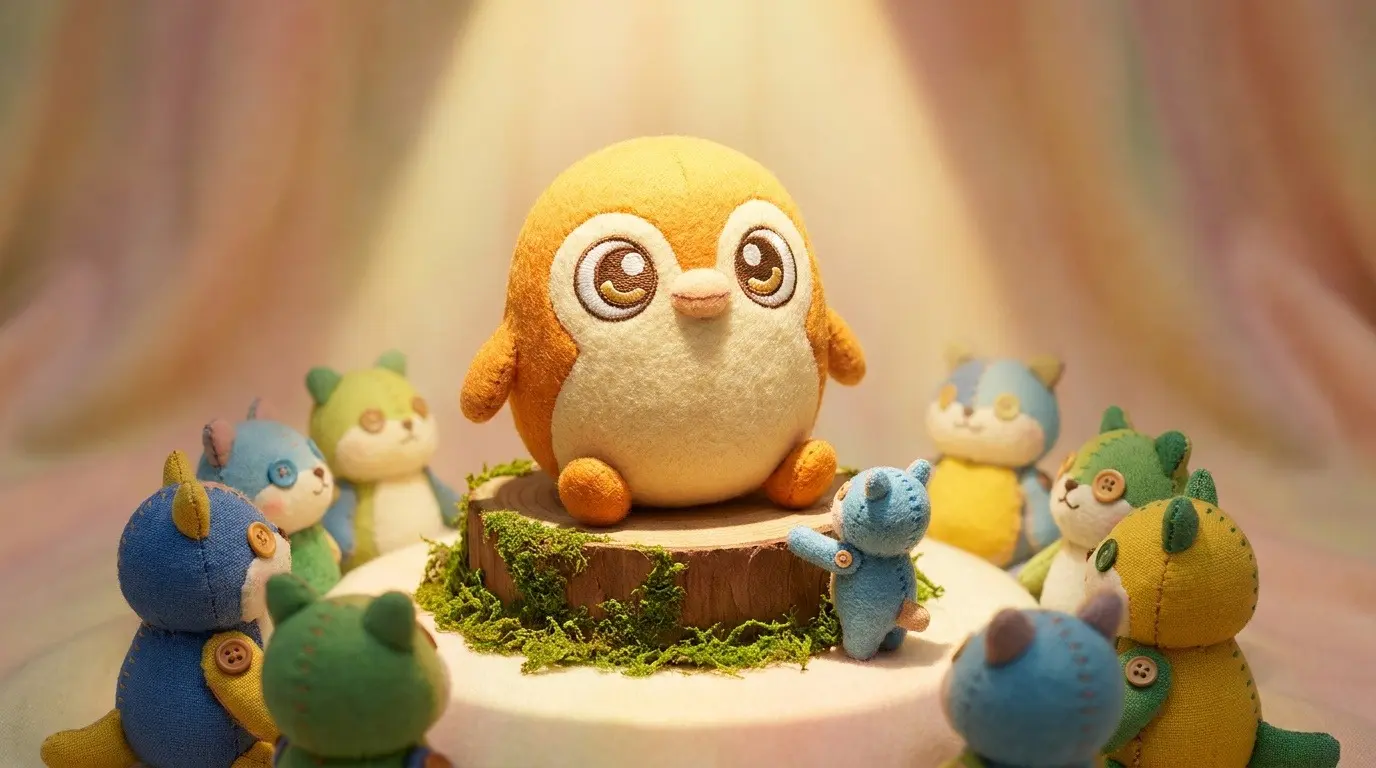
- Characters are not "products" but "containers of context." Their strength lies in being able to step away from the playing field where they are compared based on function.
- The requirements for a character to serve as a vessel are that it has a strong outline (recognizable by its silhouette and definitively described by 2-3 colors) and that it leaves room for interpretation.
- The current concept of "favorite" or "idol" is an emotion intended to be shown to others, functioning as a form of self-introduction without the use of words.
- The greatest economic impact comes from spontaneous exposure created, shared, and promoted by fans. However, this is contingent on a clear understanding of "how far can this go."
- If a company is starting out, they should focus on a single objective and start small, but include the operational aspects as well. Ordering a full set tends to stop after six months.
- Failures all look alike. They lack character, there's no one in charge of operations, the division of rights is ambiguous, and no one in the company supports them.
"They sell because they're cute." This is usually the first thing people say when discussing the character business. But those who are actually working with the numbers know better: characters that are only cute get boring surprisingly quickly. Conversely, there are characters with rather simple designs that are loved for years, with merchandise being printed and collaboration requests constantly coming in. Where does this difference come from?
In this article, I'd like to break down the reasons why "likable characters" are so powerful, not from an emotional standpoint, but from a business structure perspective. This should serve as a useful map for both company representatives looking to start character IP development and creators designing characters.
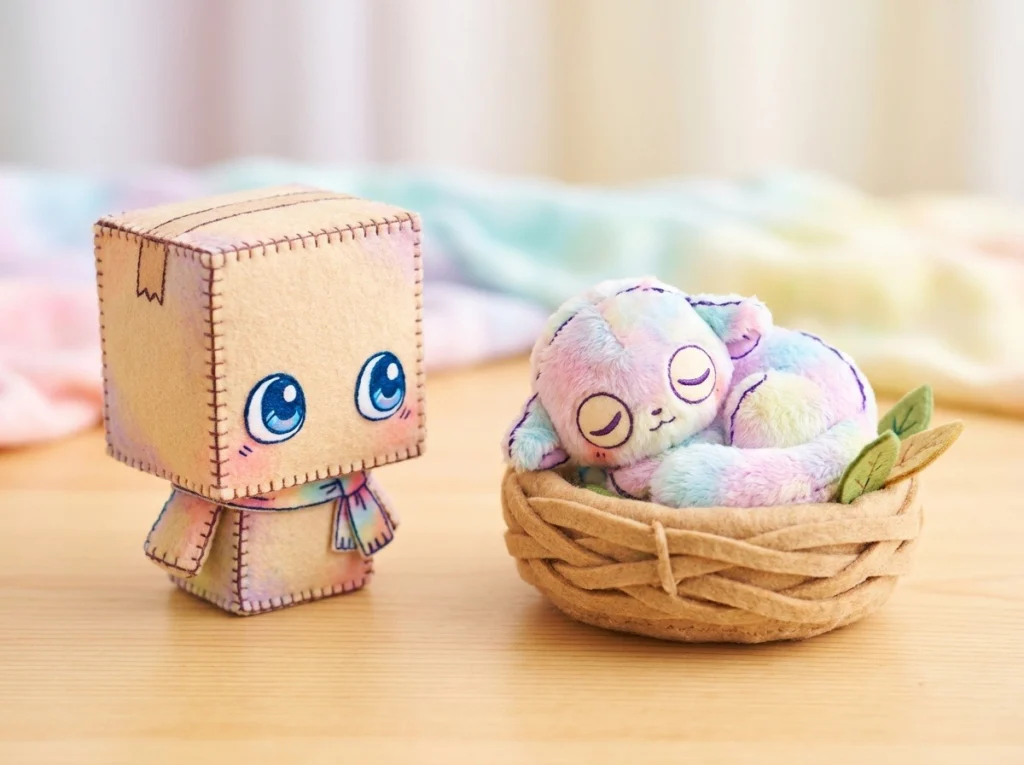
Characters are not "products" but "containers of context."
Products are chosen based on their functionality. Being chosen based on functionality means being compared, and being compared means that eventually you will lose on price. As long as you continue to fight on the spec sheet, you will never escape victory.
The strength of a character lies in its ability to quietly step down from this kind of comparative arena. The question, "Which is more high-performing, Company A's mascot or Company B's mascot?" is invalid. Affection cannot be scored on a level playing field. This is the most understated yet most effective advantage of character IP.
A well-designed character functions not as a protagonist with meaning in itself, but as a vessel for meaning . The same character can appear in morning greetings, in store notices, on recruitment pages, and even in the corners of financial statements. It remains intact even when the context of its contents is changed. Because it is a sturdy vessel, it can carry a company's message for many years to come.
The essential requirements for a vessel are "strong outlines" and "negative space."
Characters that can serve as vessels have something in common. One is a strong outline. They can be identified by their silhouette alone, their colors can be described in just two or three terms, and their catchphrases and mannerisms can be recalled instantly. Another is that there is room for interpretation. Characters whose settings are so elaborate that there is no room for interpretation become finished products rather than vessels. Finished products can be displayed, but they cannot grow.
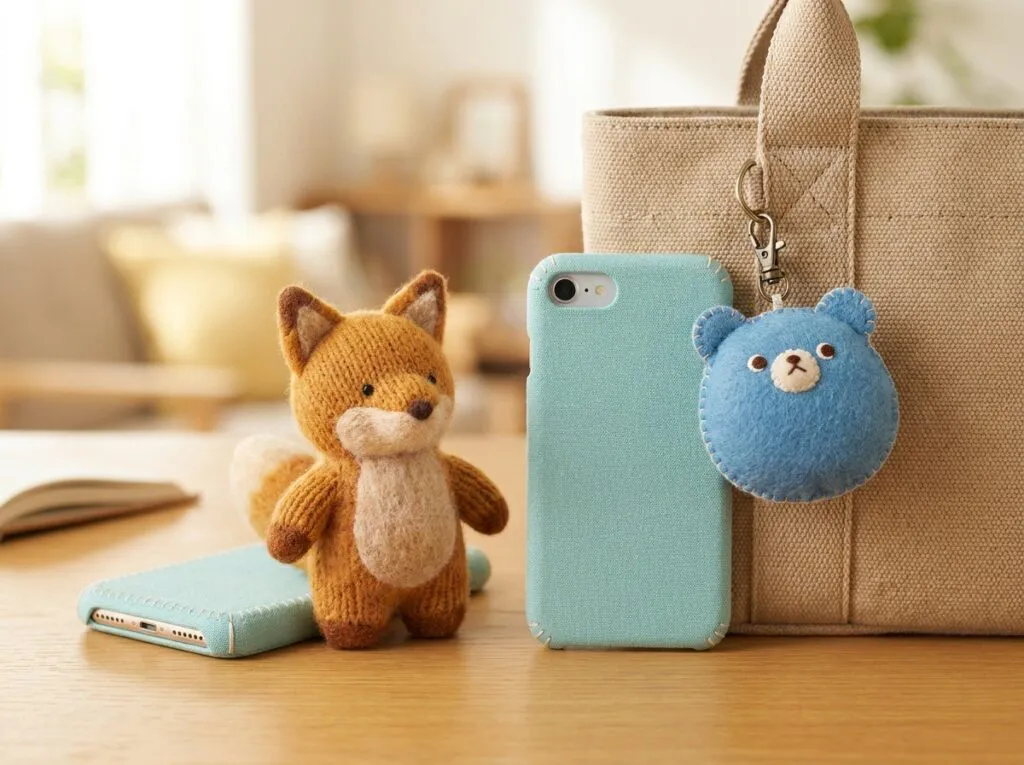
The psychology of supporting your favorite idol/celebrity: "Liking" is the simplest form of self-introduction.
Since the term "oshi-katsu" (idol fan activities) became commonplace, the way people interact with characters has clearly changed. Previously, "favorite characters" were a matter of personal preference, but now "oshi" (favorite character) is an emotion intended to be shown to others . Smartphone cases, desks, icons, small plush toys attached to bags—these are, in essence, silent self-introductions.
Therefore, a character that becomes popular needs to align with the owner's desire to be "this kind of person." Consistency in atmosphere is more important than flashiness. If this is missed, no matter how carefully the character is portrayed, it won't resonate with people's lives.
Breaking it down a bit further, the conditions for being nominated can be roughly summarized into the following three points.
| 要素 | A character you can root for | A character that's hard to root for |
|---|---|---|
| Room for interpretation | There are parts that are not being told. | It's filled with settings. |
| Frequency of contact | You can see new versions of it regularly. | It stopped at a few points at launch. |
| Consistency of attitude | No matter when you see them, they have the same personality. | His personality fluctuates with each project. |
The second point, in particular, is easily overlooked. Attachment grows not through talent, but through repetition. Meeting a new expression even just once a month is far more powerful than presenting ten photos the first time and being met with silence.
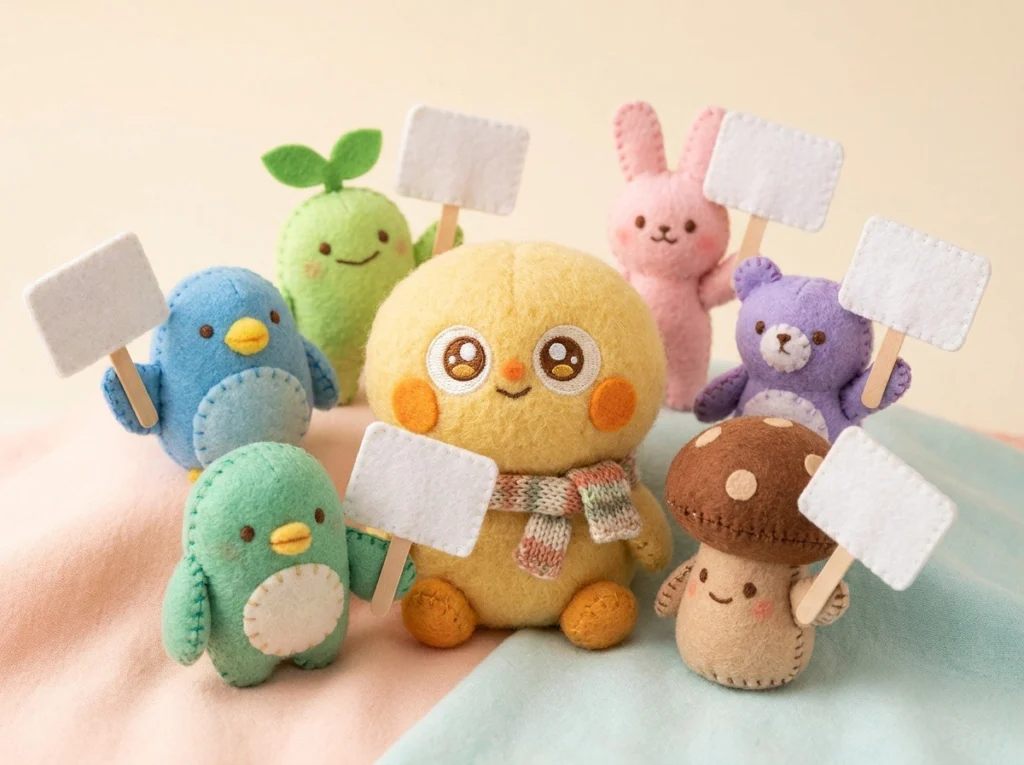
A structure where fans handle public relations.
Advertisements are bought, but your favorite character is given away. Fans draw, talk about, imitate, and spontaneously introduce their favorite character. This spontaneous exposure is arguably the greatest economic impact of character IP. If a company tried to buy the same amount of exposure with advertising, the cost would be orders of magnitude higher.
However, this doesn't happen automatically. For fans to take action, it's essential that they understand "how far they can go ." Characters with unclear boundaries are untouchable, even if fans like them. And if they're untouchable, they won't gain popularity.
- Clearly define the rules regarding derivative works (e.g., OK if non-commercial) at an early stage.
- How to indicate whether or not logos and official illustrations can be reproduced, in language that even laypeople can understand.
- Prohibited actions should be shown with specific examples, not just vague feelings.
- When the official account finds a fan's post, they quietly pick it up and respond.
Fans' goodwill may seem to cost nothing, but in reality, it's based on trust. If you misuse it even once, what you lose isn't the number of posts, but the motivation to create the next one.
4 Steps for Companies to Start Small with Character IP
When someone asks, "We want to create a character too," the first thing that often happens is they order a full set right away. Character design documents, plush toys, LINE stickers, animations—they get it all made at once, and then six months later, nobody's updated it. It happens all the time.
My recommendation is to start small, but with a focus on managing and operating the business from the beginning.
- Focus on a single objective.Is it for recruitment advertising, in-store displays, or internal company awareness? "All of it" isn't the goal. Write in one sentence what you want who to do what in the first six months.
- To bring together the worldview into a single image.: Name, personality, speaking style, favorite things, things they absolutely won't do. One A4 sheet is enough. This is the turning point where you can solidify the worldview with the creator, so you want to choose someone with whom you can have a design conversation, not just someone whose art style is compatible.A place where you can compare the styles of different creators side by side.Using this will significantly speed up the decision-making process at this stage.
- Create a minimum operational setInstead of a single full-body image, there are five variations in facial expressions, three basic poses, and several examples of unacceptable poses. The "minimum" requirement is one that can be used without causing trouble for the user.
- Expand after operating for six months.We'll only invest in contexts that elicit a positive response. Merchandise and video production can come later.
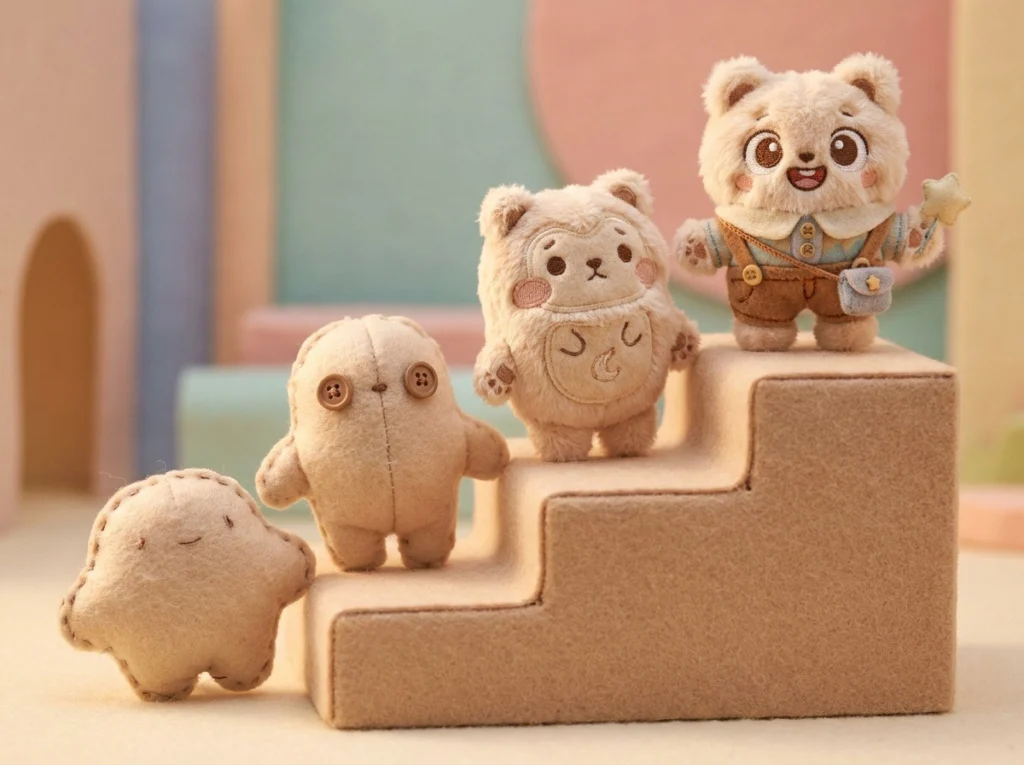
Failure pattern: Creating something that looks good but lacks configuration and operation.
The cases that don't work out often have surprisingly similar appearances.
- There are pictures, but no personality.The tone of voice changes every time the person in charge changes, making it impossible for anyone to tell who the character is.
- There is no one on duty for operations.We've secured the production budget, but nobody has the resources to handle the monthly updates. Updates will stop after three months.
- The division of rights is ambiguous.: Accepting the product without specifying the scope of modification or secondary use, making it impossible to proceed when desired.
- Nobody in the company is supporting it.There's no reason for people outside the company to like a character that even the creator doesn't have any attachment to.
Conversely, most failures stem not from the quality of the artwork, but from insufficient design of the setting and operation. This isn't a matter of production costs, but a matter of organizational structure. Whether or not there's even one person in the company who spends a few hours a month thinking about the characters makes all the difference.
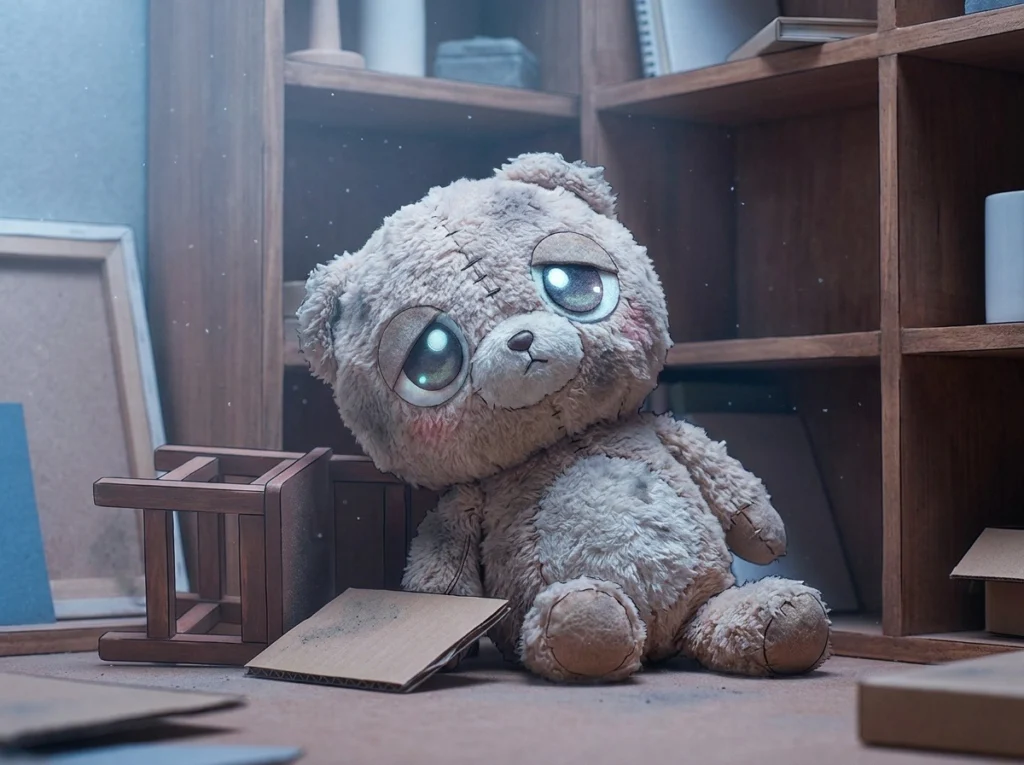
Ultimately, the strongest characters are those that have been around for a long time.
I believe character IPs are not something you create to hit the jackpot, but something you cultivate. A character that has consistently maintained its presence for three years will ultimately go farther than a single character that explodes in popularity. This is because the psychology of supporting a character, and the spontaneous exposure that fans bring to their fandom, only truly function when time is on their side.
Therefore, the first thing you should decide might not be the style or the budget, but "how many years you intend to continue." Once that's decided, the level of detail needed for the settings and how to choose the right creators will naturally begin to take shape. Are you going to create a vessel, or an ornament? The crossroads are usually found right at the beginning.
- When a company creates a character, what should they decide first?
- It's not about the design or the budget, but "how many years do you intend to continue this?" Once that's decided, the level of detail required for the settings and the effort to put into its operation will naturally fall into place. Also, narrow down your objective to just one of the following: recruitment publicity, in-store promotion, or internal company awareness.
- Is it better to create detailed character settings?
- A character that is so meticulously crafted that there is no room for interpretation becomes a finished product, not a vessel. A finished product can be displayed, but it doesn't grow. A character with a strong outline and some room for interpretation is more likely to be expanded by fans.
- How should I handle fan art and derivative works?
- Voluntary exposure is the greatest strength of character IP, but it doesn't happen automatically. If the boundaries are unclear, people will be unable to engage with the content even if they like it. It's essential to make it clear what is acceptable to do.
- What are the reasons why people don't continue creating characters after they've already created them?
- There are four common problems: the artwork exists but lacks personality; no one is available to handle monthly updates; the scope of modifications and secondary use is not defined; and no one in the company supports it. Even if production costs are secured, if there is no one to manage it, it will stop after three months.
* The illustrations featured in this article are original works created specifically for this media outlet. The copyrights to the works, characters, and product names mentioned in this article belong to their respective owners.
OSERU IMG.
You can consult with us about the content of this article when you're actually working on your project.
OSERU IMG. This is a creative studio comprised of illustrators, character designers, and motiongraphers.Search by style and track record, then contact us directly.Yes, we can. We welcome inquiries even if you're still in the "undecided" stage.

How will the job of an illustrator change in the age of AI? A calm assessment of what is less likely to be replaced.
How will AI change the job of illustrators? From the true nature of "back and forth" work that is difficult to replace, to the conditions that clients should decide from the outset, and the concepts of credit and transparency. This is not a prediction, but a calm analysis of the issues that are currently being discussed.
The invention of character portraits: A new design philosophy brought to illustration work by the virtual world.
The new format of standing character illustrations, the layering system based on Live2D, the division of labor between character designers and modelers, and the culture of commemorative illustrations—this book examines, from a structural perspective, what virtual reality has brought to the work of illustration.
The illustration chosen in 0.5 seconds—why are light novel cover illustrations entrusted to the character designer first?
Less than a second passes before a book is selected on the shelf. How is the cover art designed for that fleeting moment? From character design to frontispieces, illustrations, and promotional materials, this book unravels the structure of the work that represents a series, including what goes beyond the book itself.